7 Bug-Smart Mosquito-Minimizing Backyard Design That Feels Luxe

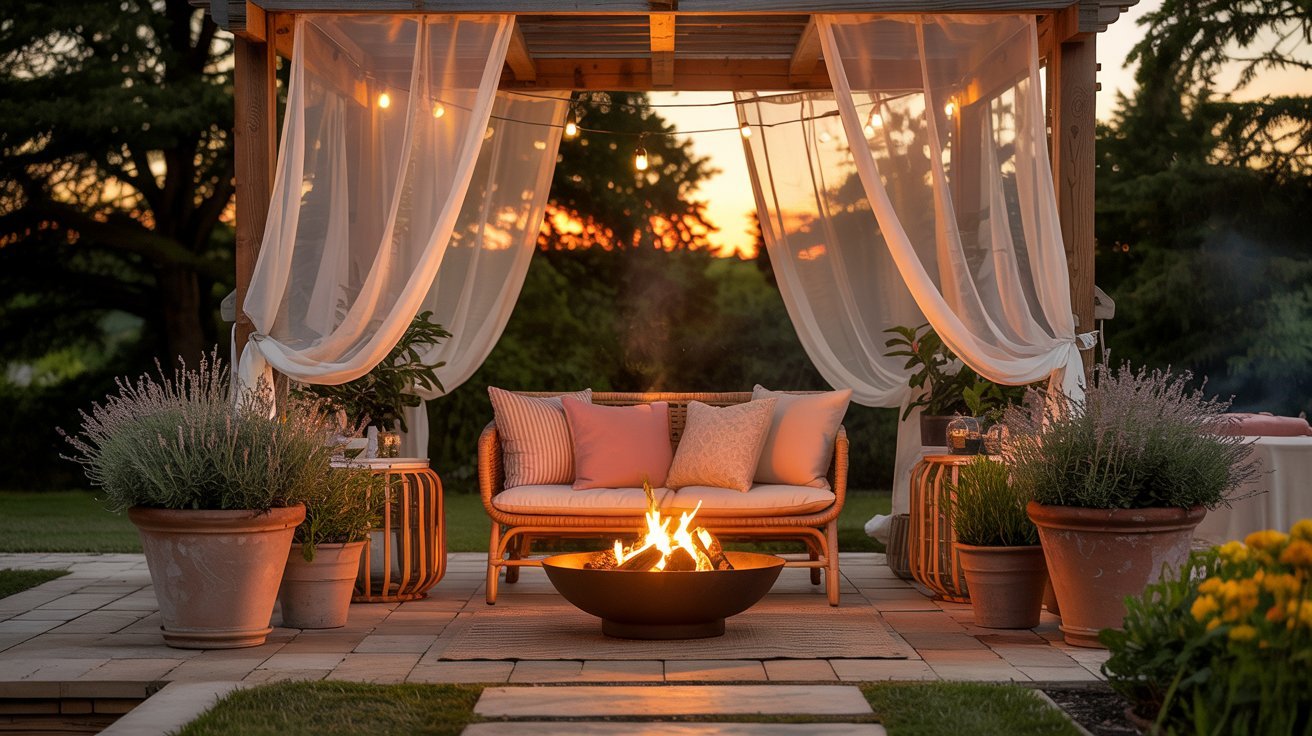
Imagine stepping into your backyard oasis as the sun sets, cocktail in hand, ready to unwind, only to be greeted by the familiar whine of mosquitoes. The magical evening you envisioned quickly dissolves into a swatting session. But what if your outdoor sanctuary could be both mosquito-resistant and magnificently luxurious?
The secret lies in thoughtful design that works with nature, not against it. By weaving mosquito-deterring elements into your landscape architecture, you can create a space that feels indulgent while keeping those uninvited guests at bay. Let’s explore seven sophisticated strategies that transform your backyard from a mosquito haven into a bug-smart retreat without sacrificing an ounce of style.
1.Strategic Fan Placement for Mosquito Disruption
Mosquitoes may be persistent, but they’re surprisingly weak fliers. A gentle breeze of just 1-2 mph can disrupt their flight patterns and keep them from landing on you. This simple fact opens up beautiful design possibilities that blend form and function.
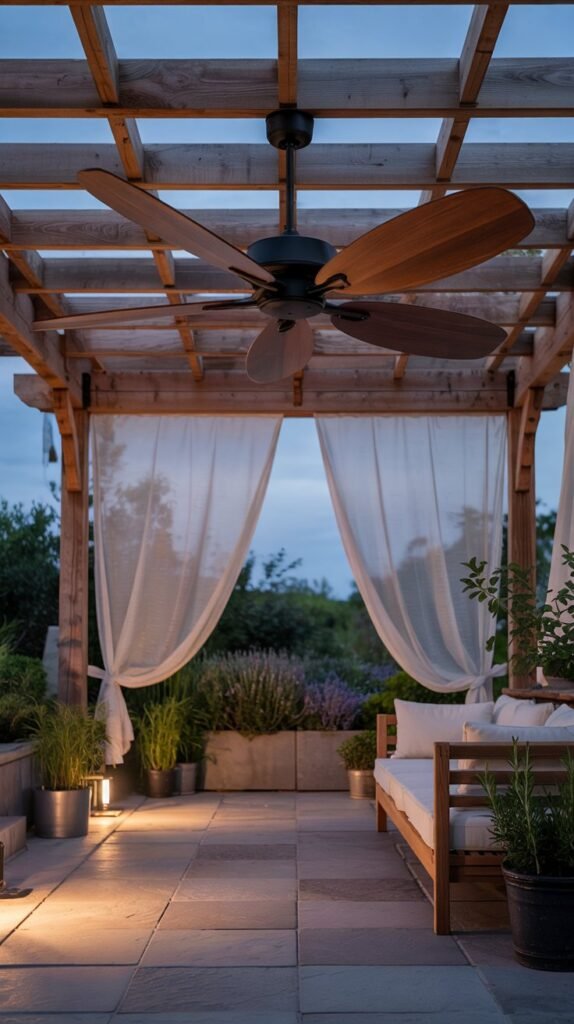
Outdoor Ceiling Fans That Make a Statement
Outdoor ceiling fans have evolved far beyond utilitarian plastic blades. Today’s options include weatherproof models with hand-carved wooden blades, antiqued metal finishes, and even smart features that adjust to weather conditions. Mount these statement pieces to pergola beams, covered patios, or gazebo ceilings where you’ll spend the most time entertaining.
For the most effective mosquito disruption, choose fans with a diameter of at least 52 inches and position them 8-9 feet above the ground. This creates the perfect balance of air movement without causing your napkins to fly away during dinner parties.
Freestanding Fans with Artistic Appeal
For areas without overhead structures, consider decorative pedestal fans that double as sculptural elements. Misting fans offer the added benefit of cooling on hot days while creating an environment mosquitoes actively avoid. Place these strategically around seating areas, positioning them to create gentle cross-breezes that keep the air moving throughout your gathering spaces.
“The most effective mosquito-minimizing backyard design elements are those that serve multiple purposes, like fans that provide both comfort and protection while enhancing your outdoor aesthetic.”
2.Elegant Mesh Solutions That Preserve Views
Flowing mesh drapery creates a mosquito barrier while adding romantic ambiance to outdoor dining. Physical barriers remain one of the most effective ways to keep mosquitoes at bay, but traditional screening can feel utilitarian and visually heavy. The solution? Reimagine these barriers as design elements that add texture, movement, and a touch of drama to your outdoor spaces.
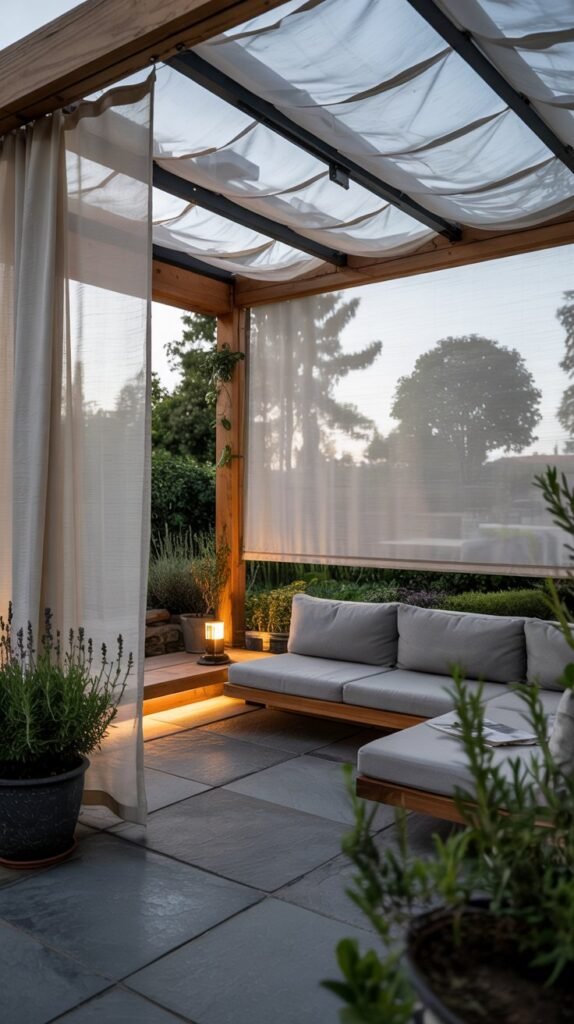
Flowing Weatherproof Mesh Curtain Drapery
Sheer, weatherproof mesh curtains create the perfect balance of protection and beauty. When hung from pergolas, gazebos, or even tree branches, they catch the breeze and create a sense of intimate enclosure while keeping insects out. Choose materials specifically designed for outdoor use with UV protection and water resistance.
For the most luxurious look, opt for panels that puddle slightly on the ground and install simple tie-backs for when you want unobstructed views. Neutral colors like soft white, taupe, or pale gray create an ethereal effect, while deeper hues can make a more dramatic statement.
Retractable Screening Systems
For those who prefer a cleaner look when not entertaining, motorized retractable screens offer the perfect solution. These architectural elements can be seamlessly integrated into existing structures and deployed with the touch of a button. High-end systems can be programmed to respond to weather conditions or time of day, automatically lowering at dusk when mosquito activity increases.
The latest mesh technologies offer nearly invisible screening with excellent visibility, allowing you to maintain your connection to the landscape beyond while creating a bug-free zone for relaxation.
3.Sophisticated Plant Selections That Deter Pests
A thoughtful arrangement of mosquito-repelling plants creates both beauty and protection. The plants you choose can transform your garden from a mosquito breeding ground into a natural repellent zone—without sacrificing beauty. The key is selecting varieties that contain compounds mosquitoes find offensive, then arranging them strategically throughout your landscape.
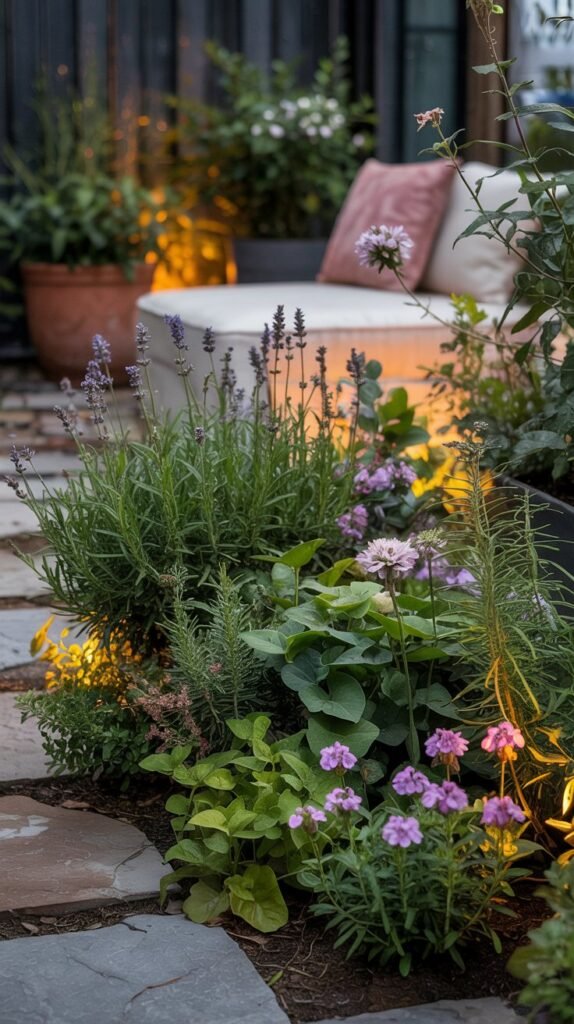
Aromatic Perennials with Presence
Lavender stands as perhaps the most elegant mosquito deterrent, with its silvery foliage and purple blooms creating a sophisticated presence in any garden. Plant it along walkways where brushing against it releases its mosquito-repelling oils, or create a lavender hedge to define outdoor rooms while providing protection.
Rosemary, with its architectural growth habit, makes an excellent container specimen or low hedge. Its pine-like scent repels mosquitoes while providing culinary herbs for your outdoor kitchen. For shadier spots, lemon balm offers bright green foliage and a citrusy scent that mosquitoes avoid.
Dramatic Architectural Plants
Lemongrass creates a stunning vertical element in the garden while containing high levels of citronella, nature’s mosquito repellent. Plant it in large containers to define spaces or create privacy, positioning these living screens near seating areas for maximum benefit.
For a tropical feel, citronella geraniums offer broad, textured leaves and delicate flowers. Unlike true citronella grass, these plants thrive in containers and can be overwintered indoors in colder climates, making them versatile additions to your mosquito-minimizing strategy.
Best Plants for Mosquito Deterrence
- Lavender (Lavandula spp.) – Elegant, drought-tolerant perennial
- Lemongrass (Cymbopogon citratus) – Architectural grass with strong citronella content
- Rosemary (Rosmarinus officinalis) – Versatile herb with pine-like scent
- Bee Balm (Monarda) – Colorful native with mint-scented foliage
- Citronella Geranium (Pelargonium ‘Citrosum’) – Lush foliage plant for containers
- Catnip (Nepeta) – Research shows it’s more effective than DEET
Strategic Placement for Maximum Effect
- Create herb borders along pathways where brushing releases oils
- Place container groupings near seating areas and dining spaces
- Use taller varieties like lemongrass to define outdoor rooms
- Plant in layers to create both visual interest and protective barriers
- Incorporate into existing beds for integrated pest management
- Position near water features to deter mosquitoes from breeding areas
4.Low-Smoke Fire Features That Repel While They Enchant
Fire has been used to repel insects since ancient times, but traditional wood-burning features can create smoke that irritates guests as much as it deters pests. Modern fire features offer the perfect solution, clean-burning designs that provide the mosquito-repelling benefits of heat and light without the drawbacks.
Sophisticated Natural Gas Fire Features
Natural gas or propane fire pits and tables offer precise control over flame height while producing virtually no smoke. These clean-burning options create a zone around them that mosquitoes tend to avoid due to the heat and carbon dioxide produced by the flame.
For the most luxurious installations, consider linear fire features that create dramatic flames dancing along channels filled with glass or lava rock. These architectural elements can be built into walls, steps, or custom tables, creating focal points that serve both aesthetic and practical purposes in your mosquito-minimizing landscape.
Elevated Torch Design
Move beyond tiki torches with sophisticated alternatives that elevate both your design and mosquito protection. Copper or stainless steel torch vessels mounted on sculptural stands create elegant lighting while burning clean fuels that deter insects.
For a truly distinctive approach, consider bioethanol torches with adjustable flames. These clean-burning options can be incorporated into landscape features or used as freestanding elements, creating both visual interest and expanding your mosquito-free zone.
5.Strategic Lighting That Doesn’t Attract Pests
The right lighting transforms your outdoor space after dark, but many common lighting choices actually attract mosquitoes rather than repel them. The solution lies in understanding how these pests perceive light and designing your illumination accordingly.
Wavelength Wisdom
Mosquitoes are particularly attracted to ultraviolet light and cool blue wavelengths, precisely what many standard outdoor LEDs and fluorescents emit. By switching to warm-toned bulbs (2700K or lower color temperature), you can dramatically reduce their attraction to your outdoor living areas.
Amber LED lighting offers the perfect compromise, providing enough illumination for safety and ambiance while remaining nearly invisible to mosquitoes. These specialized bulbs create a warm glow reminiscent of candlelight, enhancing the luxurious feel of your outdoor space while keeping pests at bay.
Thoughtful Placement and Direction
Beyond bulb selection, how and where you position lights makes a significant difference in mosquito attraction. Downlighting from trees or structures creates pools of light exactly where needed without broadcasting into the surrounding landscape, which can draw insects from a distance.
For pathways and steps, consider low-profile fixtures that direct light downward rather than outward. This focused illumination enhances safety while minimizing the light’s reach into areas where mosquitoes might be resting.
| Lighting Type | Mosquito Attraction Level | Aesthetic Quality | Best Applications |
| Standard White LED (5000K+) | High | Harsh, clinical | Avoid in mosquito-prone areas |
| Warm White LED (2700K) | Moderate | Warm, inviting | General landscape lighting |
| Amber LED (590nm) | Very Low | Soft, golden | Dining areas, conversation spaces |
| Sodium Vapor | Low | Yellow, utilitarian | Security lighting, distant areas |
| Solar Path Lights | Varies by bulb type | Moderate to good | Pathways, with amber bulbs |
6.Water Features That Delight Without Breeding Pests
Water features add a sensory dimension to your landscape that few other elements can match, the sound of flowing water, the play of light on rippling surfaces, the cooling effect on hot days. But standing water is also the primary breeding ground for mosquitoes. The solution? Water features designed with constant movement.
Circulation and Aeration
Even ornamental ponds can be mosquito-free when properly designed. The key is ensuring water constantly circulates through pumps and filtration systems. Adding a fountain or waterfall not only creates visual interest but also disrupts the water surface, preventing mosquitoes from successfully laying eggs.
For existing water features, consider adding aerators or floating fountains that can be retrofitted without major reconstruction. These additions improve water quality while eliminating mosquito breeding potential—a win for both aesthetics and comfort.
Thoughtful Drainage Solutions
Beyond decorative water features, managing drainage throughout your landscape is essential for mosquito control. Areas where water collects after rain can quickly become breeding grounds, undermining all your other mosquito-minimizing efforts.
Transform potential problem areas into design features with dry creek beds lined with decorative stone and drought-tolerant plants. These landscape elements channel water away from gathering spaces while adding textural interest to your garden. For flat areas, consider installing French drains disguised with decorative grates or covered with permeable materials like river rock.
Designer Tip: Mosquito-Resistant Water Gardens
If you love aquatic plants but worry about mosquitoes, create a balanced ecosystem by adding mosquito-eating fish like guppies or mosquito fish to your water feature. Complement with submerged oxygenating plants and floating species that shade the water surface, creating an environment where mosquito larvae cannot thrive.
7.Material Selections That Naturally Discourage Pests
The materials you select for your hardscaping and furnishings can play a surprising role in mosquito management. Beyond their aesthetic appeal, certain materials naturally discourage pests through their properties or by eliminating hiding places.
Smooth Surfaces That Eliminate Hiding Spots
Mosquitoes seek shelter in shady, protected spaces during daylight hours. By choosing smooth-finished materials for walls, pathways, and structures, you eliminate the tiny crevices where they might rest. Large-format porcelain pavers with minimal grout lines not only create a sleek, contemporary look but also reduce potential mosquito resting places.
For vertical surfaces, consider honed stone, smooth stucco, or sealed wood that doesn’t provide the textural hiding spots mosquitoes prefer. These refined finishes elevate your design while subtly contributing to your mosquito management strategy.
Naturally Repellent Woods
Cedar, redwood, and teak contain natural oils that repel insects while providing beautiful, durable options for outdoor structures and furniture. A cedar pergola not only creates architectural interest and filtered shade but also contributes to your mosquito-minimizing efforts through its aromatic properties.
For deck and patio furniture, these naturally repellent woods offer the perfect combination of luxury and functionality. Their rich colors and grains create visual warmth while their insect-resistant qualities make them practical choices for outdoor living.
Creating Your Integrated Mosquito-Minimizing Landscape
The most effective approach to mosquito-minimizing backyard design combines multiple strategies working in harmony. Rather than relying on a single solution, layering these seven elements creates a comprehensive environment where mosquitoes simply don’t want to be, without compromising on style or comfort.
Consider how these elements might work together in your space: ceiling fans gently circulating air under a cedar pergola draped with elegant mesh curtains; a modern gas fire feature surrounded by lavender and lemongrass plantings; amber landscape lighting illuminating smooth stone pathways that lead to a bubbling water feature. Each element contributes to both the aesthetic appeal and mosquito-resistant quality of your outdoor sanctuary.
Daytime Protection Strategy
- Position fans to create gentle cross-breezes in seating areas
- Deploy retractable screens during peak mosquito hours
- Ensure water features maintain constant movement
- Brush against aromatic plants to release natural repellents
- Keep drainage clear to prevent water accumulation
- Maintain clean, clutter-free surfaces throughout the space
Evening Entertainment Strategy
- Activate amber lighting as dusk approaches
- Lower mesh drapery around dining and conversation areas
- Light fire features to create mosquito-deterring heat zones
- Position potted repellent plants near gathering spaces
- Increase fan circulation in enclosed areas
- Enjoy your sophisticated, mosquito-minimized outdoor retreat
Transform Your Outdoor Living Experience
Creating a mosquito-minimizing backyard that maintains its luxurious appeal is about thoughtful integration rather than compromise. By incorporating these seven strategies into your landscape design, you can craft an outdoor environment that naturally discourages pests while elevating your everyday experience.
The beauty of this approach lies in its subtlety, guests will notice the comfort and elegance of your space without realizing all the mosquito-deterring elements working harmoniously around them. They’ll simply wonder why your outdoor gatherings feel so much more enjoyable than others they’ve attended.
