6-Step Guide to Layering Textures in a White Bedroom

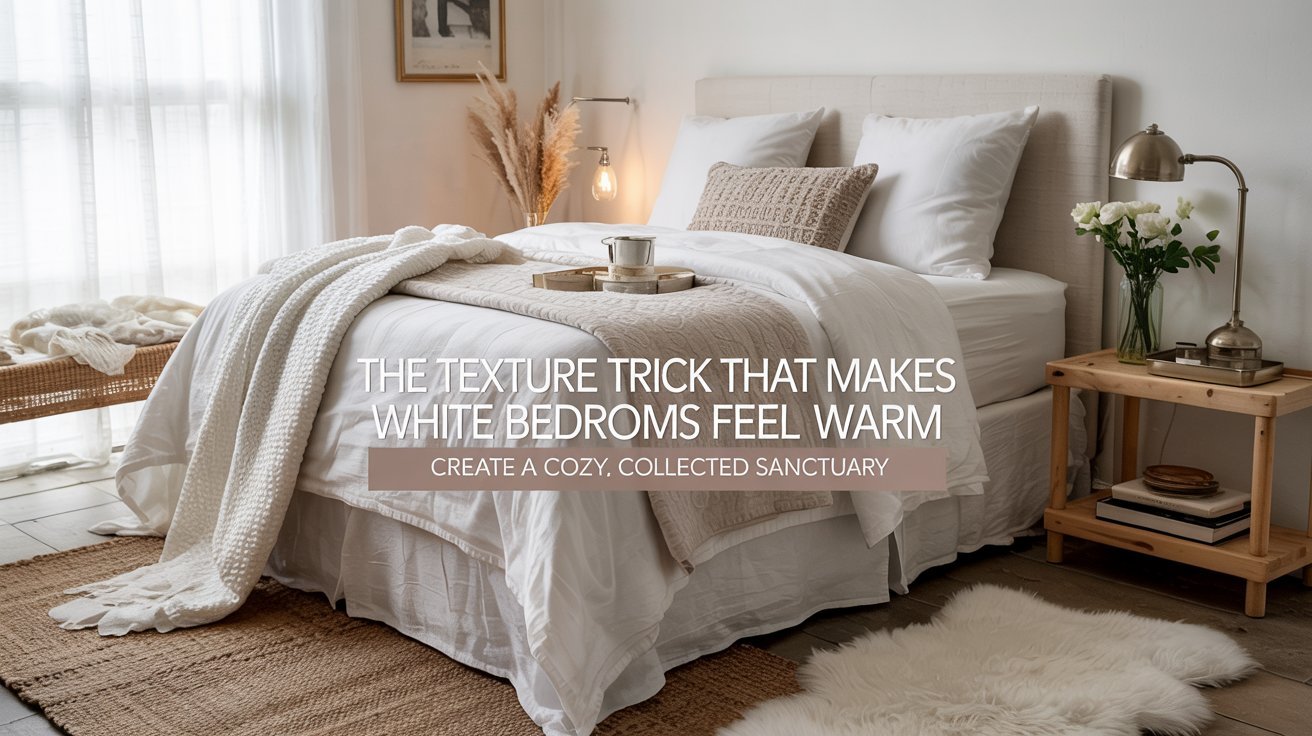
The secret to a stunning white bedroom is texture. Mix fabrics and finishes so the space reads warm and collected, not flat. When done right, a white bedroom becomes an inviting sanctuary rather than a sterile showroom. Let’s explore how to transform your space with the magic of layered textures.
Why Texture Matters in a White Bedroom
White bedrooms risk feeling clinical without proper texture. Unlike colorful rooms that rely on hue variations for visual interest, white spaces depend on tactile elements to create depth and warmth. Texture adds dimension through light and shadow, making an all-white space feel rich and inviting rather than flat and boring.
Texture works through contrast. Smooth against rough. Matte against glossy. Soft against hard. These juxtapositions create visual and tactile interest that engages both the eye and hand. In white bedrooms, these textural differences become the star of the show.
The layering technique works because it mimics nature’s depth. Just as a landscape has foreground, middle ground, and background elements, your bedroom needs multiple texture layers to feel complete and balanced.
Creating a beautifully textured white bedroom isn’t about buying everything in sight. It’s about thoughtful layering that builds depth while maintaining visual calm. Follow these steps for a perfectly balanced space.
1. Start with the Foundation
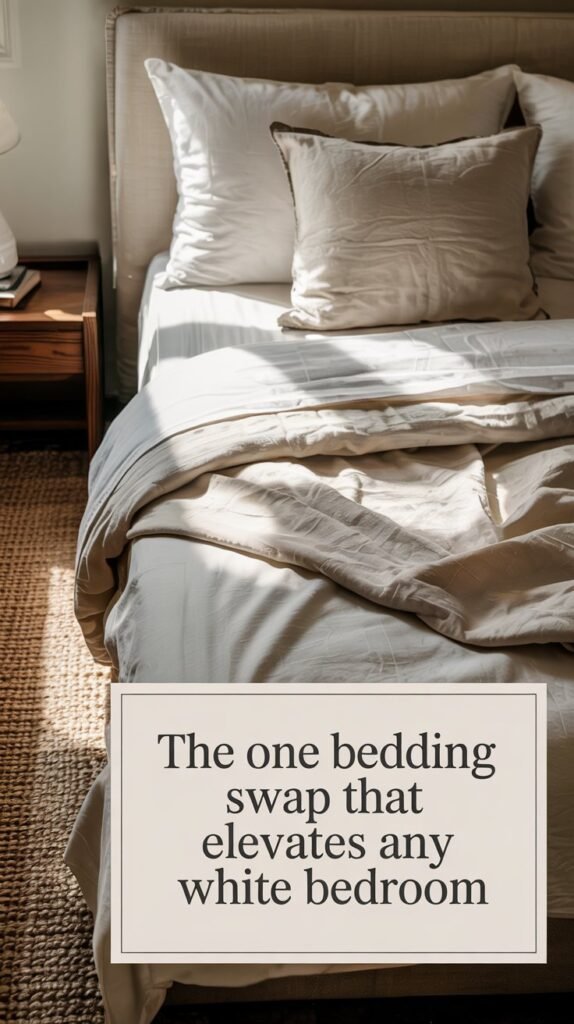
Use crisp cotton or linen sheets as your base. They breathe well and wash easily, making them practical and beautiful. Cotton percale offers a crisp, cool feel perfect for warmer sleepers, while cotton sateen provides a silkier finish with a subtle sheen.
White sheets aren’t all the same – look for subtle variations like ivory, cream, or bright white to add depth. The foundation layer sets the tone for everything that follows.
2. Add Mid-Weight Layers for Comfort
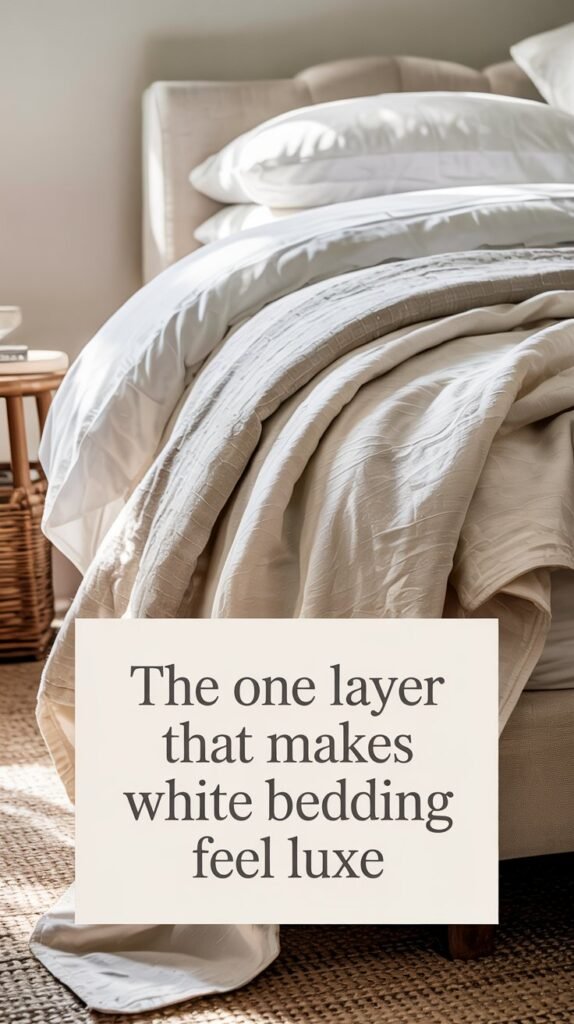
Layer a lightweight duvet (or quilt) and a mid-weight blanket for both visual interest and practical warmth. Linen duvets add natural texture with their characteristic wrinkles, while cotton quilts provide a more structured look.
For proper proportions, choose a throw about 130 × 170 cm (51 × 67 in) to drape across the foot of the bed. This size allows for generous folding without overwhelming the bed’s silhouette.
3. Build with Pillows for Visual and Tactile Depth

Pillows create the most immediate visual impact in your layered bed. Arrange them thoughtfully for maximum effect:
- Back row: Euro shams (65 × 65 cm) in textured fabrics like waffle weave or matelassé
- Middle: Standard pillows (about 50 × 75 cm) in crisp cotton cases
- Front: One or two decorative cushions (40–50 cm square) in contrasting textures like velvet, bouclé, or embroidered cotton
Remember to fluff and rotate pillows weekly so they maintain their shape and texture. This simple habit keeps your bed looking fresh and inviting.
4. Add a Tactile Focal Piece

Place a chunky knit or bouclé throw casually draped across one corner of the bed. This statement piece creates a focal point through its pronounced texture, drawing the eye and inviting touch.
For a luxe touch, add a small sheepskin or faux-fur cushion. These ultra-soft elements create immediate contrast against crisper cottons and linens, adding another dimension to your textural story.
5. Balance Finishes Across the Room
Extend your texture story beyond the bed to create a cohesive space. Match soft textiles with harder natural surfaces like a wooden bedside table, rattan lamp shade, or a jute rug.
Introduce one glossy or reflective piece,such as a mirrored tray or brass lamp, to catch light and break up matte textures. This contrast prevents the room from feeling flat while maintaining the serene white palette.
6. Layer the Floor Last
If you have timber or tile floors, add a rug under the bed that extends at least 60 cm (24 in) beyond the bed sides and foot. This creates a soft landing while adding substantial texture to ground the space.
Natural fiber rugs like jute, sisal, or wool add organic texture that complements the white palette while providing practical comfort underfoot. Layer a smaller, softer rug over a larger natural one for added luxury and textural contrast.
Concrete Care & Timing Tips for Textured White Bedrooms
Maintaining a white bedroom’s fresh appeal requires proper care. Follow these specific guidelines to keep your textured elements looking their best.
Bedding Care
- Wash sheets every 1–2 weeks at 40°C (check care label). Use a gentle cycle for linen.
- Machine-washable cotton throws: cold or 30°C on a gentle cycle. Air dry or tumble low.
- Chunky wool or handknits: hand wash cold or dry clean; lay flat to dry to keep shape.
Accent Piece Care
- Sheepskin/faux fur: spot clean immediately; brush and air outdoors occasionally.
- Vacuum rugs weekly; rotate large rugs every 3 months to even wear.
- Dust wooden and rattan pieces weekly with a microfiber cloth.
SAFETY TIP: Keep throws and decorative fabrics away from open flames (candles, fireplaces). Secure heavy headboards or wall panels to studs to prevent tipping.
Essential Shopping List for Layering Textures
Ready to transform your white bedroom? Here’s a concise shopping list of the essential pieces you’ll need to create a beautifully layered space.
Bedding Basics
- Linen or cotton sheet set
- Mid-weight duvet or quilt
- Chunky knit or bouclé throw (≈130 × 170 cm)
Pillow Collection
- Euro shams (65 × 65 cm)
- Standard pillowcases
- Decorative cushions (40–50 cm)
- Sheepskin or faux-fur accent
Room Accents
- Jute or wool rug (size to suit your room)
- Wooden or rattan bedside accent
- Small brass or mirrored decorative item
- Sheer white window treatments
Dos and Don’ts for Layering Textures in a White Bedroom
Follow these expert guidelines to avoid common mistakes and achieve a perfectly balanced white bedroom.
Do
- Mix small and large textures (fine linen + chunky knit)
- Repeat one texture or material in two places for cohesion (e.g., rattan lamp + rattan basket)
- Vary the scale of patterns if using them (small + medium + large)
- Test a small fabric swatch for colorfastness before washing
- Include at least one natural material element (wood, rattan, jute)
Don’t
- Overdo pattern, let texture be the star in a white room
- Place delicate textiles near direct sunlight without UV protection
- Use too many competing textures (stick to 3-5 main texture types)
- Forget to include hard surfaces to balance soft textiles
- Choose pure bright white for everything (mix in cream, ivory, and off-white)
Understanding the Limitations of Texture Layering
Texturing won’t fix poor light or awkward layouts, pair these fixes with lighting and furniture arrangement adjustments for the best result. While texture adds tremendous warmth to white spaces, it works best when the fundamental elements of good design are already in place.
“Texture is to a white room what seasoning is to food, essential for bringing out the best qualities, but it can’t compensate for poor ingredients or preparation.”
— Interior Design Principle
Create Your Own Textured White Sanctuary
Layering textures in a white bedroom transforms a potentially sterile space into a warm, inviting sanctuary. By following the six simple steps outlined above,starting with quality foundations, adding mid-weight layers, building with pillows, incorporating a focal piece, balancing finishes, and layering the floor, you can create a white bedroom that feels rich and dimensional without relying on color.
Remember that texture is about creating contrast through touch as much as sight. The magic happens when you combine different tactile experiences, smooth with rough, soft with hard, matte with glossy, while maintaining a cohesive white palette.
If you like this article, you’ll love this 22 White Bedroom Decor Ideas
