25 Easy & Budget-Friendly DIY Planters Ideas for Every Space

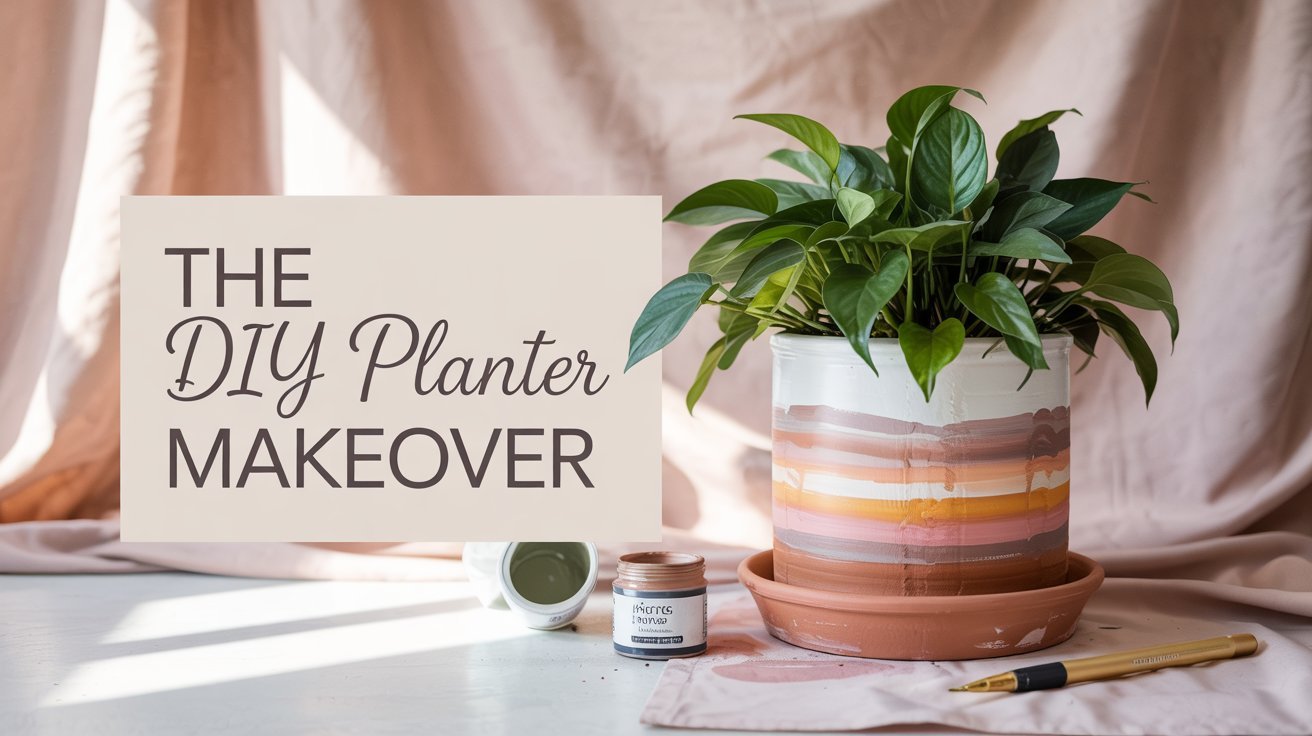

Creating beautiful planters doesn’t require a big budget or advanced skills. Whether you live in a tiny apartment or a spacious house, DIY planters offer endless possibilities to bring greenery into your space. This comprehensive guide walks you through 25 creative planter projects that anyone can complete over a weekend.
From simple terracotta makeovers to ingenious upcycled creations, these ideas work for every skill level. You’ll discover projects perfect for small spaces, outdoor patios, and thoughtful handmade gifts. Let’s transform ordinary containers into extraordinary plant homes that reflect your personal style.
JUMP TO SECTION
- Terracotta Painting Ideas That Transform Basic Pots
- Geometric Pattern Designs
- Small Space Planter Ideas for Apartments and Balconies
- Hanging Planter Designs for Indoor and Outdoor Spaces
- Indoor and Outdoor Planter Options for Year-Round Beauty
- Giftable Planter Projects for Every Occasion
- Upcycled Planter Ideas from Everyday Items
- Essential Tips and Techniques for DIY Planter Success
Quick Start Guide
New to DIY projects? Start with painted terracotta pots or simple hanging planters. These beginner-friendly options require minimal materials and take less than an hour to complete. Gather basic supplies like paint, rope, and containers before diving into your first project.
Terracotta Painting Ideas That Transform Basic Pots
Terracotta pots provide the perfect blank canvas for creative expression. These clay containers are inexpensive, readily available, and accept paint beautifully. A fresh coat of color instantly elevates standard terracotta into custom home decor pieces.

Geometric Pattern Designs
Geometric patterns create modern, eye-catching planters with minimal effort. Use painter’s tape to section off areas before applying contrasting colors. This technique ensures clean lines and professional-looking results even for beginners.
Start with a base coat in your primary color. Let it dry completely before applying tape in your desired pattern. Paint the second shade and carefully remove the tape while the paint remains slightly wet. This prevents peeling and maintains crisp edges.
Triangle Patterns
Create dynamic visual interest with repeating triangular shapes around the pot’s circumference.
- Apply white base coat first
- Use tape to create triangle stencils
- Paint alternating colors for contrast
- Seal with clear acrylic spray
Striped Designs
Horizontal or vertical stripes add classic elegance to any terracotta planter project.
- Measure equal spacing with ruler
- Apply thin tape strips evenly
- Paint alternating stripe sections
- Remove tape when slightly damp
Color Block Style
Divide your planter into distinct color sections for a bold, contemporary look.
- Choose two to three complementary shades
- Tape off horizontal sections
- Paint each section separately
- Allow full drying between coats
Dotted Patterns
Use the eraser end of a pencil to create uniform polka dots across your pot.
- Paint solid base color completely
- Dip eraser in contrasting paint
- Stamp dots in regular intervals
- Vary sizes for added dimension
Ombre and Gradiant Paterns
Ombre techniques blend multiple shades seamlessly from dark to light. This sophisticated look requires patience but delivers stunning results. Choose colors within the same family for smooth transitions.
Mix your darkest shade with white in increasing amounts to create four to five gradient shades. Apply the darkest color at the base. Working upward, blend each progressively lighter shade into the previous one while both remain wet. A damp sponge helps soften harsh lines between colors.
Sunset Ombre Planter

Capture the warmth of sunset with this gorgeous orange to yellow gradient. This project works perfectly for front porch displays and adds instant curb appeal to any outdoor space.
Materials needed:
- Standard terracotta pot (6-8 inches)
- Acrylic paint in orange, coral, yellow
- White acrylic paint for mixing
- Sea sponge or foam brush
- Clear sealer spray
Ocean Blue Gradient

Bring coastal vibes to your garden with calming blue tones. This design pairs beautifully with succulents and tropical plants for a beachy aesthetic.
Materials needed:
- Clay pot (any size works well)
- Navy, turquoise, and sky blue paint
- Blending medium for acrylics
- Wide paintbrush or sponge
- Matte or gloss finish sealer
Pastel Spring Collection

Create a coordinated planter set with soft pastel gradients. These gentle transitions work wonderfully for indoor herb gardens and bring a touch of spring to any room.
Materials needed:
- Three matching terracotta pots
- Pastel acrylic paints (pink, lavender, mint)
- White paint for lightening shades
- Fine-grit sandpaper for prep
- Brush-on clear sealer
Metallic and Textured Finishes
Metallic paints add luxury and sophistication to humble terracotta. Gold, copper, and silver finishes catch light beautifully and elevate simple pots into statement pieces. These work especially well for gift-giving occasions.
Apply a primer coat before metallic paint to ensure even coverage. Spray paints deliver the smoothest metallic finish, while brush-on versions allow for more control. Layer metallic shades over base colors for depth and dimension.
Small Space Planter Ideas for Apartments and Balconies
Limited square footage shouldn’t limit your green thumb ambitions. Small space planters maximize vertical areas and utilize overlooked corners. These clever solutions bring nature indoors without sacrificing precious floor space.

Vertical Wall Gardens
Wall-mounted planters create living artwork while freeing up valuable floor and counter space. Install pocket planters, mounted boxes, or floating shelves to build upward. This approach works beautifully for herbs, succulents, and trailing plants.
Choose lightweight containers for wall installations to prevent damage. Ensure proper drainage by drilling holes or using containers with built-in drainage trays. Consider the wall material before installing hardware to support your garden weight.
Pro Tip: Weight Distribution Matters
Distribute plant weight evenly across your wall garden. Place heavier pots on lower shelves or stronger wall anchors. Use lightweight potting mix specifically designed for container gardens to reduce overall load.
Window Sill and Railing Planters
Transform underutilized window sills and balcony railings into productive growing areas. These locations receive excellent light exposure while keeping your floor clear. Railing planters attach securely without requiring additional furniture or stands.
Measure your railing diameter before purchasing brackets to ensure a proper fit. Window box planters should span the full width of your sill for visual balance. Both options benefit from self-watering designs that reduce maintenance time.
Stackable and Tiered Solutions
Tiered plant stands create multiple growing levels within a compact footprint. These structures work indoors or outdoors and accommodate various container sizes. Stackable designs offer flexibility to adjust your layout as your collection grows.
Corner shelves maximize awkward spaces that typically go unused. Three or four tiers provide ample room for a dozen plants while occupying minimal floor space. Look for rust-resistant materials if using these stands on covered porches or patios.
Hanging Planter Designs for Indoor and Outdoor Spaces
Hanging planters add dimension and visual interest at eye level and above. These suspended gardens work equally well indoors and outdoors, creating floating displays that draw attention upward. From simple macrame to repurposed containers, hanging options suit every aesthetic.

Macrame Plant Hangers
Macrame plant hangers experienced a major revival and remain popular for good reason. These knotted rope creations add bohemian charm while securely suspending your plants. Basic macrame techniques are surprisingly easy to learn, even for complete beginners.
Start with a simple square knot pattern that requires only cotton rope and a metal ring. Four pieces of rope create one hanger in under thirty minutes. Once you master basic knots, advance to more intricate patterns with beads or varying rope thicknesses.
Repurposed Container Hangers
Transform everyday items into unique hanging planters with a little creativity. Mason jars, tin cans, colanders, and wire baskets all work beautifully when suspended with rope or chain. This approach combines upcycling with functional garden design.
Drill drainage holes in containers that lack them naturally. Attach hanging hardware securely to handle the weight of soil and water. Consider the container’s shape when choosing plants – wide openings suit bushy plants while narrow necks work for cascading varieties.
Best Plants for Hanging Displays
Choose plants with trailing or cascading growth habits to maximize visual impact. These varieties thrive when suspended and create beautiful curtains of foliage.
- Pothos (Devil’s Ivy) – low maintenance, fast-growing
- String of Pearls – unique succulent for bright spots
- Spider Plants – hardy with cascading offshoots
- Trailing Philodendron – glossy leaves, shade tolerant
- English Ivy – classic choice for indoor or outdoor
- Burro’s Tail – drought-tolerant succulent option

Ceiling and Hook Installation Tips
Proper installation ensures your hanging garden stays safely suspended. Locate ceiling joists or use wall anchors rated for the weight you plan to hang. Account for the combined weight of container, soil, plant, and water when fully saturated.
Swivel hooks prevent rope from twisting and tangling over time. Space multiple hangers at varying heights to create depth and visual interest. Leave adequate clearance for plant growth and easy watering access.
Indoor and Outdoor Planter Options for Year-Round Beauty
Versatile planters that transition seamlessly between indoor and outdoor spaces offer maximum value. These adaptable containers withstand temperature fluctuations and varying light conditions. Select weather-resistant materials that also complement interior decor styles.

Weather-Resistant Material Choices
Material selection determines whether your planter thrives in multiple environments. Certain materials handle moisture, temperature changes, and UV exposure better than others. Understanding these properties helps you make smart choices for multi-purpose containers.
Best Materials for Dual Use
- Resin and fiberglass – lightweight, frost-resistant, affordable
- Glazed ceramic – waterproof finish, endless color options
- Treated wood – natural look, withstands elements with proper sealing
- Metal with powder coating – modern aesthetic, rust-resistant
- Concrete – extremely durable, handles all weather conditions
Materials to Avoid Outdoors
- Unglazed terracotta – cracks in freezing temperatures
- Untreated wood – rots quickly when exposed to moisture
- Thin plastic – becomes brittle under UV exposure
- Paper pulp containers – breaks down in rain and humidity
- Painted pots without sealer – paint chips and fades
Seasonal Transition Strategies
Moving planters between indoor and outdoor spaces requires planning to protect both plants and containers. Gradual acclimatization prevents shock when transitioning between environments. Clean containers thoroughly when bringing plants indoors to avoid introducing pests.
Begin the transition over several days by moving plants to a sheltered outdoor area before full sun exposure. Reverse this process when bringing plants inside for winter. Check for insects and treat any issues before moving containers indoors to protect your house plants.
Self-Watering Container Benefits
Self-watering planters reduce maintenance demands regardless of location. These containers feature built-in reservoirs that supply consistent moisture to plant roots. This design prevents both overwatering and underwatering common mistakes.
The reservoir system uses capillary action to draw water upward as plants need it. Fill the reservoir weekly rather than watering soil directly. This approach works particularly well for outdoor planters during hot summer days and for indoor plants when you travel.
Giftable Planter Projects for Every Occasion
Handmade planters make thoughtful gifts that keep giving as plants grow. These personalized containers show more care than store-bought options while staying within modest budgets. Customize designs to match the recipient’s style and plant preferences for truly meaningful presents.

Personalized and Monogrammed Designs
Add names, initials, or meaningful dates to planters for extra special touches. Hand-painted letters create charming rustic looks while vinyl decals offer crisp modern typography. These customizations transform simple containers into cherished keepsakes.
Use stencils for consistent lettering if freehand painting feels intimidating. Metallic paint pens work wonderfully for writing directly on glazed surfaces. Seal painted personalization with clear acrylic to protect your artwork from water damage.
Themed Planter Sets
Create coordinated planter collections around specific themes for impressive gift presentations. Herb garden sets appeal to cooking enthusiasts while succulent collections suit low-maintenance plant lovers. Package multiple small planters together for greater visual impact.
Match container colors to create cohesive sets or use varying shades within the same color family. Include care instructions and plant identification tags with each gift. Consider the recipient’s available space when determining how many planters to include in a set.
Kitchen Herb Garden Set
Package three to five small planters with popular cooking herbs. Paint containers in coordinating kitchen colors and add chalkboard labels for easy plant identification.
Perfect for: Housewarming, weddings, cooking enthusiasts
Suggested herbs: Basil, rosemary, thyme, mint, parsley
Succulent Starter Collection
Combine miniature planters with easy-care succulents for foolproof gifts. Use geometric or painted designs that complement modern decor styles.
Perfect for: Birthdays, office gifts, busy professionals
Best succulents: Echeveria, jade plant, aloe vera, haworthia
Mother’s Day Planter Trio
Create a sentimental gift with personalized painted pots featuring meaningful quotes or family names. Include flowering plants for immediate visual impact.
Perfect for: Mother’s Day, grandparent gifts, family celebrations
Flower ideas: Petunias, geraniums, impatiens, begonias
Packaging and Presentation Ideas
Thoughtful packaging elevates handmade planter gifts from nice to memorable. Wrap pots in kraft paper tied with natural twine for rustic appeal. Include care cards printed on cardstock with watering schedules and light requirements.
Place smaller planters in decorative boxes filled with shredded paper or wood wool. For larger containers, tie a bow around the pot rim and attach a wooden stake with the plant name. These finishing touches show attention to detail and make gifts feel professionally crafted.
Upcycled Planter Ideas from Everyday Items
Upcycling transforms discarded items into functional planters while reducing waste. This sustainable approach costs almost nothing and yields unique containers you won’t find in stores. Look around your home with fresh eyes to discover planter potential in unexpected places.

Kitchen Container Conversions
Kitchen items offer abundant upcycling opportunities for creative planters. Tin cans, coffee containers, mason jars, and even old cookware gain new life as plant homes. These familiar objects add quirky charm to garden displays while keeping usable items out of landfills.
Remove labels completely and wash containers thoroughly before starting your project. Drill drainage holes in the bottom using a metal or glass drill bit appropriate for the material. Paint or decorate the exterior to match your decor style.
- Tin cans wrapped in burlap or rope
- Coffee tins painted with chalkboard paint
- Mason jars with painted lids
- Teacups and mugs for mini succulents
- Old colanders for hanging herb gardens
- Teapots as whimsical planter features
- Measuring cups for kitchen windowsill herbs
- Wine crates as rustic planter boxes
- Dresser drawers as tiered garden displays
- Old toolboxes for portable herb gardens
- Wooden pallets as vertical wall planters
- Vintage suitcases as tabletop gardens
- Wheelbarrows as large outdoor planters
- Ladder shelves for multi-level displays
- Rain gutter sections as wall gardens
- Bicycle baskets mounted as wall planters
- Old furniture pieces converted to planters
- Bathtubs as statement garden features
- Wine barrels cut into halves
- Headboards as vertical garden structures
- Chandeliers converted to hanging gardens
Furniture and Wood Repurposing
Old furniture pieces make dramatic statement planters for outdoor spaces. Dressers, chairs, and wooden crates offer multiple planting levels within a single structure. These projects work best in covered porch areas or gardens where vintage charm suits the setting.
Sand and seal wood surfaces before adding plants to extend longevity. Remove or drill through drawer bottoms for drainage. Line wooden containers with landscape fabric to prevent soil from falling through gaps while allowing water to drain freely.
Fabric and Textile Planters
Fabric planters offer portability and unique aesthetic appeal. Burlap sacks, denim pockets, and felt material all work for temporary or seasonal displays. These lightweight options suit renters who need mobile garden solutions.
Line fabric planters with plastic sheeting to prevent moisture damage while maintaining drainage. Hanging shoe organizers become vertical herb gardens when mounted on sunny walls. Old jeans pockets sewn onto wooden boards create charming rustic displays for small plants.

Glass and Ceramic Upcycles
Broken or chipped dishes find redemption as charming miniature planters. Teacups, bowls, and serving dishes work beautifully for succulents and small plants. These delicate containers add vintage elegance to indoor displays.
Lack of drainage holes in ceramic pieces requires careful watering. Add a layer of pebbles or activated charcoal at the bottom to prevent root rot. Plant succulents or air plants that tolerate less frequent watering in these containers.
Essential Tips and Techniques for DIY Planter Success
Mastering a few fundamental techniques ensures your DIY planters look professional and function properly. These skills apply across all project types and materials. Invest time learning these basics to avoid common mistakes that compromise plant health.

Proper Drainage Techniques
Adequate drainage prevents the number one cause of plant death in containers. Water must escape freely to avoid drowning roots in saturated soil. Every planter needs at least one hole in the bottom regardless of material.
Use appropriate drill bits for different materials. Masonry bits work for ceramic and terracotta while metal bits suit tin and aluminum. For plastic containers, a heated nail creates clean holes without cracking. Cover drainage holes with coffee filters or mesh to prevent soil loss while allowing water flow.
Choosing the Right Potting Mix
Container plants require specialized soil different from garden dirt. Potting mix provides better drainage and aeration than traditional soil. These lightweight blends prevent compaction and promote healthy root growth in confined spaces.
Select potting mix formulated for your plant type. Cacti and succulents need fast-draining sandy mixes while vegetables benefit from nutrient-rich blends. Add perlite or vermiculite to improve drainage in dense mixes. Consider moisture-control potting soil for outdoor planters that dry quickly.
Sealing and Protecting Your Work
Protect painted and decorated planters from water damage and fading. Clear acrylic sealer preserves your artwork while allowing the natural texture of materials to show through. Apply sealer in thin coats for best results.
Let paint dry completely before sealing – typically 24 to 48 hours depending on humidity. Spray sealers provide even coverage but work outdoors or in well-ventilated areas. Brush-on sealers offer more control for detailed work. Multiple thin coats protect better than one thick application.
Budget-Saving Pro Tip
Stock up on basic supplies during off-season sales at craft stores. Acrylic paint, brushes, and terracotta pots cost substantially less in fall and winter. Build your supply stash gradually to spread costs across several months rather than buying everything at once.
Start Your DIY Planter Journey Today
These 25 DIY planter ideas prove that beautiful plant containers don’t require expensive materials or advanced skills. Whether you choose simple painted terracotta or ambitious upcycled furniture projects, each creation adds personal style to your space. Start with beginner-friendly designs and gradually tackle more complex builds as your confidence grows.
Remember that imperfections add character to handmade items. Your unique planters will become conversation pieces that reflect your creativity and resourcefulness. Gather your materials, pick a project that excites you, and transform ordinary containers into extraordinary plant homes this weekend.
