The Beginner’s Guide to Potted Herb Gardening(Even If You’ve Killed Every Plant You’ve Ever Owned)

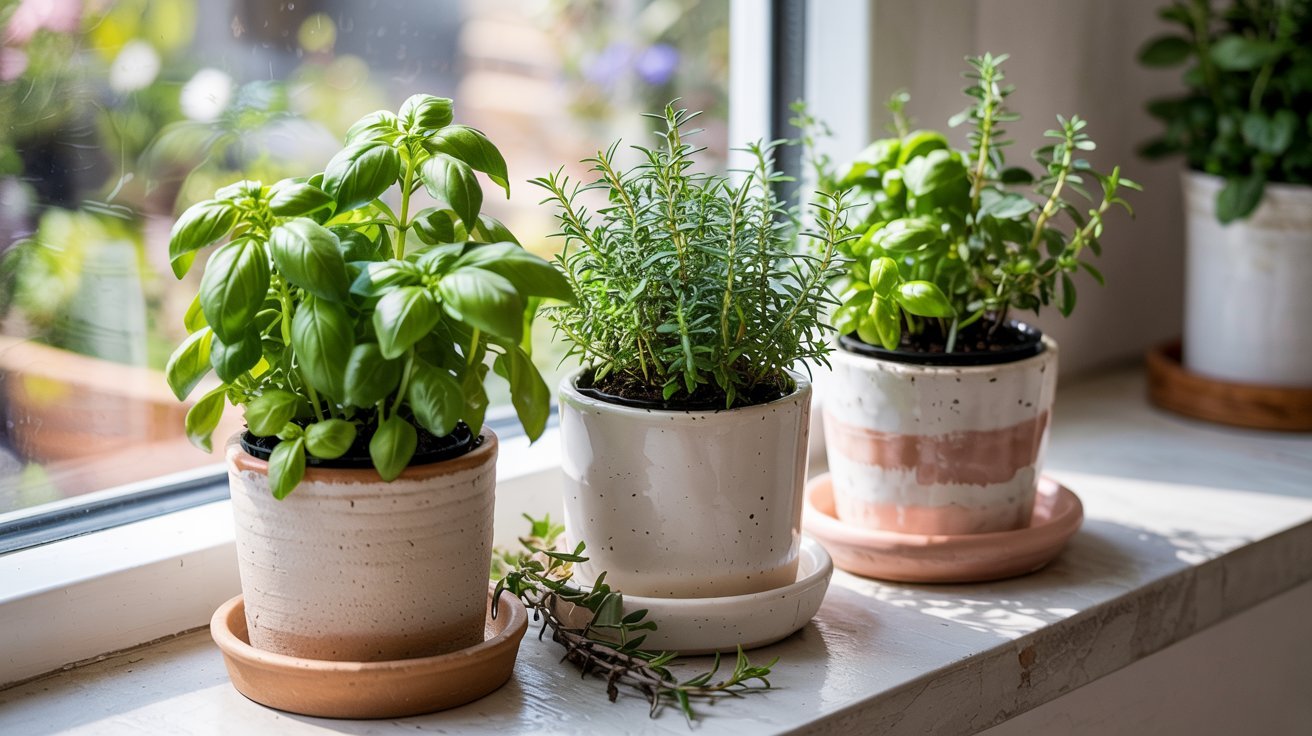
Friends, I need to tell you about the summer I decided to grow herbs. I had this vision, a beautiful little collection of pots on my windowsill, fresh basil for my pasta, mint for my drinks, rosemary for everything. Very cottagecore, very capable, very “I have my life together.” What I actually ended up with was one very sad, very crispy basil plant and a pot of what I think was once parsley but had become something else entirely. 😂
But here’s the thing, I didn’t give up. I went deep into the rabbit hole, figured out what I was actually doing wrong, and now I have a genuinely thriving little potted herb garden that makes me unreasonably happy every single time I snip something fresh for dinner.
And the biggest thing I learned? It wasn’t my fault. I just didn’t know the rules. Nobody told me that basil and mint have completely different needs, or that drainage is basically everything, or that some herbs actually want to be neglected.

So consider this your cheat sheet. Everything I wish someone had told me before I killed that first basil plant, all the best potted herb garden ideas, the do’s, the don’ts, and exactly how to start without spending much at all. Let’s go. 🌿
Why Potted Herb Gardens Are the Best Place to Start Gardening
Before we get into the how, can I just make a case for why a potted herb garden is genuinely the perfect starting point if you’re new to growing things?
First, herbs are forgiving. Most of them have been growing wild in the Mediterranean for thousands years. They’re not delicate hothouse flowers, they’re survivors. Rosemary, thyme, oregano, and sage have weathered drought, poor soil, and intense summer sun for centuries.
Second, pots give you total control. You control the soil, the drainage, the position. No dealing with whatever mystery situation is happening in your garden bed. If something isn’t working, you can literally just move the pot to a different spot and try again.

Third, and this is the big one, you actually use them. There is nothing more motivating than growing something you cook with every week. Every time you snip a sprig of rosemary or grab a handful of basil, you will feel like the most accomplished human being alive. It’s a whole thing. 🥰
Plus, growing herbs in containers means you can garden anywhere. Apartment balcony, kitchen windowsill, tiny patio, rental property where you can’t dig up the yard, doesn’t matter. If you have a sunny spot and room for a few pots, you can grow a herb garden. No backyard required.
Getting Started: What You Actually Need for Container Herb Gardening
Good news, starting a potted herb garden does not require a big investment. The barrier to entry is genuinely low, which is part of what makes this such a brilliant beginner project. Here’s the honest list of what you need:

Pots with Drainage Holes
This is non-negotiable. No drainage hole equals waterlogged roots equals dead herb. Doesn’t matter how pretty the pot is or how expensive it was. Water needs somewhere to go, or your herbs will drown.
Thrift stores, dollar stores and garden centre clearance sections are brilliant for cheap pots. I’ve found gorgeous ones for one to three dollars. Just make sure you check for that hole in the bottom before you buy. If you fall in love with a pot that doesn’t have drainage, you can drill a hole yourself with a masonry bit if it’s ceramic or terracotta.
Good Quality Potting Mix
Not garden soil, potting mix. This is important. Garden soil compacts in pots and doesn’t drain well, which creates the same waterlogging problem we just talked about. Potting mix is specifically formulated to be light and fluffy in containers.
A basic potting mix from the hardware store or garden centre is all you need, usually eight to twelve dollars for a big bag that will fill multiple pots. You don’t need anything fancy or specialized for most herbs, standard potting mix works beautifully.
A Sunny Spot
Most herbs need at least four to six hours of sunlight a day. Some (like basil and rosemary) prefer even more, six to eight hours of full sun makes them truly happy. A sunny windowsill, a balcony, a doorstep, a patio, as long as it gets good light, you’re in business.
If you’re not sure how much sun a spot gets, just observe it for a day or two. Morning sun is gentler, afternoon sun is more intense. Most herbs containers do best with morning sun and some afternoon shade, especially in hot summer climates.
Herb Seedlings or Seeds
Seedlings are faster and easier for beginners. You can grab them from the supermarket, garden centre or even a farmers market for two to five dollars each. They’re already growing, already established, and you’ll get usable herbs much sooner.
Seeds are cheaper but require more patience. You’ll wait weeks for germination and then more weeks for the plant to reach usable size. Not a bad option if you have time and want to grow herbs from scratch, but seedlings give you that instant gratification that keeps beginners motivated.
That is genuinely everything. No special equipment, no complicated systems, no expensive setup. Total starter spend: fifteen to thirty dollars and you’ll have a little herb garden that lasts for months or years. 🙌
The Best Herbs to Start With (and Why These Herbs Grow Successfully)
Not all herbs are created equal when it comes to ease of growing and starting with the right ones makes the whole experience so much more enjoyable. These six herbs like easy conditions and forgive beginner mistakes beautifully.
Mint: The Indestructible Herb
Mint is practically indestructible and grows like it’s trying to take over the world (which is exactly why it needs its own pot, never plant mint with other herbs or it will absolutely bully them). It spreads aggressively through underground runners and will crowd out anything sharing its space.
Give mint its own container, moderate water, and partial to full sun. It’s incredibly forgiving and will bounce back from almost any mistake. Great for teas, drinks, salads, and adding fresh flavor to summer dishes. Mojitos, anyone? 🍹
Chives: The Reliable Producer
Chives are another brilliant beginner herb, they grow quickly, come back after cutting, and ask for very little in return. They’re perennials, which means they’ll come back year after year if you treat them reasonably well.
Snip them over eggs, soups, baked potatoes, salads, they go with everything savory. They’ll even produce pretty purple flowers in spring that are also edible. Just keep the soil moderately moist and give them decent sun, and chives will thrive with minimal fuss.
Rosemary: Thrives on Neglect
Rosemary actually thrives on a little neglect, which makes it perfect for forgetful beginners (hello, that was me). It likes dry conditions and full sun and will happily sit there looking gorgeous while you occasionally forget to water it. Perfect. 😂
This Mediterranean herb hates wet feet, so err on the side of underwatering rather than overwatering. Let the soil dry out between waterings. Rosemary grows slowly but steadily and can eventually become a substantial woody plant. Use it for roasted potatoes, grilled meats, focaccia, infused oils, the possibilities are endless.
Basil: Popular But Particular
Basil is the most popular and also the most particular of the beginner herbs, it needs warmth, good light and consistent moisture. Once you understand those three requirements, it’s totally manageable. Just don’t put it in a cold spot or let it dry out completely.
Basil hates cold. Below fifty degrees and it starts to suffer. Below forty and it turns black and dies. Keep it warm, give it at least six hours of sun, water when the top inch of soil feels dry, and pinch off flower buds as they appear to keep the leaves growing. Fresh pesto, caprese salad, Thai basil chicken,so many delicious reasons to grow basil successfully. 🌿
Parsley: The Patient Workhorse
Parsley is a workhorse herb that grows steadily and lasts a long time. Great for beginners because it’s slow to bolt (go to seed) and tolerates a bit more shade than most herbs. It’s also a biennial, meaning it lives for two years before flowering and dying.
Both flat-leaf and curly varieties grow well in pots. Parsley likes consistent moisture and will reward regular watering with abundant leaf production. Use it fresh in tabbouleh, chimichurri, as a garnish, or mixed into virtually any savory dish. It’s one of those herbs you don’t realize how much you use until you have fresh parsley growing right there.
Thyme: Tiny and Nearly Indestructible
Thyme is tiny, beautiful, and almost impossible to kill. It loves sun and dry soil and will reward you with masses of delicate little leaves for months on end. Like rosemary, thyme is a Mediterranean herb that prefers to dry out between waterings.
There are dozens of thyme varieties – lemon thyme, creeping thyme, common thyme and they all grow well in containers. Thyme stays compact, looks gorgeous cascading over the edge of a pot, and adds incredible flavor to roasted vegetables, soups, stews, and herb blends. A little goes a long way with this concentrated herb.
Fun Ways to Display Your, Potted Herb Garden Ideas
OK here’s where it gets really fun, because a potted herb garden doesn’t just have to be a row of identical terracotta pots (although honestly that looks gorgeous too). Here are some of my favorite ways to display herbs that are beautiful and practical. 🌱

The Windowsill Collection
Line up three to five small pots along a sunny kitchen windowsill, alternating heights and pot styles for visual interest. Mix terracotta with a painted pot or two, add little labels, and it looks like something out of a magazine.
The best part is everything is right there when you’re cooking. No running outside to grab herbs. Just reach over and snip what you need. This is probably the most popular and practical setup for apartment dwellers and renters.

The Tiered Plant Stand
A simple tiered stand (thrift stores almost always have these) lets you grow six to eight herbs in a small footprint. Perfect for balconies or small patios where floor space is limited but you want variety.
Place taller herbs like rosemary and basil at the top, medium-height herbs like parsley in the middle, and trailing ones like thyme or creeping rosemary cascading down the sides. It creates a beautiful living display while maximizing your growing space.

The Repurposed Container Garden
Old colanders (perfect drainage built right in!), vintage tin cans, wooden crates lined with hessian, enamel buckets with holes drilled in the bottom,repurposed containers make the most charming potted herb gardens and cost almost nothing.
This is one of my absolute favorite budget potted herb garden ideas because every container tells a little story. That old blue enamel colander your grandmother used? Perfect for a cascading thyme. Those vintage tin cans with faded labels? Adorable for individual herbs on a shelf. 🥰
Just make sure you drill drainage holes if the container doesn’t already have them. A metal drill bit works for tin and enamel, a masonry bit works for ceramic. Always put a saucer underneath to catch excess water and protect surfaces.
The Hanging Herb Garden
Small pots in macramé hangers, or a wall-mounted timber planter, bring your herbs up off the ground and create a really beautiful living wall moment. Great for small spaces where floor and counter space is at a premium.
Hanging gardens work especially well for trailing herbs like certain types of thyme, oregano, and smaller varieties of rosemary. Just remember that hanging pots dry out faster than ground-level pots because air circulates all around them, so they’ll need more frequent watering.
The Kitchen Herb Basket
Group three or four small herb pots inside a woven basket lined with plastic to protect the basket from moisture. Move it to the table when you have guests, keep it on the bench when you’re cooking.
Practical and beautiful and so easy to put together. This gives you the flexibility to rearrange your space while keeping your herbs together. Just remember to water carefully so you don’t overflow onto surfaces, or remove pots from the basket to water them and let them drain before putting them back.
Do’s: What Will Make Your Potted Herb Garden Thrive
These are the practices that separate thriving herb gardens from sad, struggling ones. Not complicated, just consistent habits that make all the difference.

Do Water Consistently, Not Excessively
The number one herb killer is overwatering, soggy soil causes root rot and that is very hard to come back from. Most beginners water on a schedule (every day, every other day) without checking if the plant actually needs it.
Here’s the better system: Stick your finger an inch into the soil before watering. If it’s still damp, leave it. If it’s dry, water it thoroughly until water runs out the drainage holes. That’s the whole system. Different herbs, different pot sizes, different locations will all need different watering frequencies. Let the soil tell you when it’s time.
Do Feed Your Herbs Occasionally
A liquid seaweed fertilizer or a gentle all-purpose liquid feed every few weeks during the growing season (spring through summer) makes a noticeable difference to how lush and productive your herbs are.
Container plants can’t access nutrients from surrounding soil the way garden plants can. The potting mix has some nutrients to start, but they get used up or washed away with watering. Garden centres usually have small bottles of liquid fertilizer for five to eight dollars that last ages. Dilute according to package directions and apply every two to three weeks. Your herbs will thank you with abundant growth.
Do Harvest Regularly
This is counterintuitive but cutting your herbs actually encourages them to grow more. Don’t be precious about snipping,regular harvesting keeps the plant bushy and productive instead of tall and leggy.
The more you use it, the better it grows. When you harvest, cut just above a leaf node (where leaves attach to the stem). This encourages the plant to branch out from that point, creating a fuller, bushier shape. Never take more than one-third of the plant at once, and your herbs will keep producing all season. 🌿
Do Group Herbs with Similar Needs Together
Mediterranean herbs like rosemary, thyme, sage, and oregano love dry, sunny conditions and can happily share a large pot. They all prefer to dry out between waterings and thrive in full sun.
Moisture-loving herbs like basil, mint, parsley, and chives prefer more regular watering and can tolerate partial shade. Keep the groups separate based on their water and light preferences, and everyone is happy. Trying to grow basil and rosemary in the same pot is a recipe for one unhappy plant, usually the basil, which will struggle with the dry conditions rosemary prefers.
Do Deadhead Flowers as They Appear
When herbs start flowering (called bolting), the leaves often become less flavorful and sometimes bitter as the plant puts its energy into seed production. Pinching off flowers as they appear keeps your herbs leafy and delicious for longer.
Some herbs like basil will bolt quickly in hot weather if you don’t stay on top of flower removal. Others like chives produce flowers you might actually want to keep because they’re edible and beautiful. But for most culinary herbs, removing flowers extends your harvest season significantly.
Don’ts: What to Avoid With Your Potted Herb Garden
These are the mistakes that derail beginners. Avoiding just these few things will dramatically improve your success rate with growing herbs in containers.
Don’t Plant Mint with Other Herbs
I said it before and I’ll say it again because it’s that important. Mint is a beautiful, useful, completely unhinged little plant that will spread aggressively and crowd out everything else in the pot. Give it its own container and it’s a dream. Share a pot with it and it becomes a nightmare. 😅
Mint spreads through underground runners called rhizomes that can travel surprisingly far. Even in a large pot, mint will eventually dominate and choke out companion plants. Keep mint isolated, your other herbs will thank you.
Don’t Use Pots Without Drainage Holes
Genuinely the most common beginner mistake and it is absolutely fatal for most herbs. Water has to have somewhere to go. Sitting in soggy soil causes root rot, fungal diseases, and plant death. No exceptions.
If you absolutely love a pot that has no drainage holes, either drill holes yourself or use it as a decorative outer pot with a properly-draining inner pot that you can lift out to water. Never plant directly into containers without drainage.
Don’t Put Cold-Sensitive Herbs Outside Too Early
Basil in particular hates cold temperatures, it will turn black and sad very quickly if it gets a cold snap. Wait until nights are consistently warm (above fifty degrees) before moving it outside, and bring it in if the temperature drops unexpectedly.
Other tender herbs like lemon verbena and Thai basil are also cold-sensitive. Check your local frost dates and wait until at least two weeks after the last frost date to move tender herbs outdoors. Or keep them on a sunny windowsill year-round if you live in a cold climate.
Don’t Let Herbs Completely Dry Out Between Waterings
While overwatering is the bigger risk, letting herbs get completely bone dry causes stress and can trigger bolting. Consistent, moderate moisture is the sweet spot, not too wet, not too dry.
Completely dried-out herbs often drop leaves, stop growing, or go straight to seed in an attempt to reproduce before they die. Some herbs like rosemary can handle drought better than others, but most prefer soil that stays lightly moist (not soggy, just slightly damp) most of the time.
Don’t Buy More Herbs Than You’ll Actually Use
It sounds obvious but it’s easy to get excited and buy eight different varieties when realistically you cook with three. Start with what you actually use in the kitchen and build from there.
A small, thriving potted herb garden beats a large, neglected one every single time. If you make a lot of Italian food, start with basil, oregano, and parsley. If you love tea, start with mint and lemon balm. If you grill frequently, start with rosemary and thyme. Let your cooking habits guide your herb choices. 🌱
Don’t Spend a Lot to Get Started
Supermarket herb seedlings are genuinely one of the best budget gardening hacks around,they’re cheap (usually two to four dollars), they’re already growing, and with a little repotting into better soil they transform into thriving plants.
I’ve started so many of my herbs this way and they’ve grown beautifully. Gently loosen the roots, plant them in a slightly larger pot with fresh potting mix, water well, and give them good light. That three-dollar supermarket basil can become a productive plant that supplies your kitchen all summer.
A Beginner’s Potted Herb Garden Shopping List
Here’s exactly what I’d buy to start a little herb garden from scratch on a tight budget. No fancy equipment, no unnecessary extras, just the essentials that actually matter.
- Three to five herb seedlings from the supermarket or garden centre – Start with herbs you actually cook with regularly. Two to five dollars each, so ten to twenty-five dollars total for your plant selection.
- A bag of potting mix – Not garden soil! Get a standard potting mix from any hardware store or garden centre. Eight to twelve dollars for a bag that will fill multiple pots and leave some for repotting later.
- Assorted pots with drainage holes – Thrifted or dollar store finds work beautifully. Look for pots slightly larger than the containers your seedlings came in. One to four dollars each, so three to twenty dollars depending on how many you need.
- A small bottle of liquid fertilizer – All-purpose or specifically for herbs. Five to eight dollars for a bottle that will last the whole season with plenty left over for next year.
- A simple watering can – Doesn’t need to be fancy. Thrift stores always have these for three to five dollars, or grab a basic one from the garden centre for under ten dollars.
Total Startup Investment
Approximately $25–45 for a proper little herb garden that will produce fresh herbs for months. That is genuinely less than a month’s worth of buying fresh herb bunches at the supermarket,so it pays for itself almost immediately. 💚
And here’s the beautiful part: Most of these supplies (pots, watering can, fertilizer bottle) are one-time purchases. Next season, you’ll only need to replace the potting mix and herbs, bringing your cost down to under fifteen dollars to start fresh.
Optional Budget-Friendly Additions
- Plant labels – Popsicle sticks and a permanent marker work perfectly. Free if you save popsicle sticks, under two dollars for a pack if you buy them.
- Saucers for pots – Protect windowsills and surfaces from water drainage. Thrift store finds or dollar store purchases, usually under two dollars each.
- Spray bottle – Handy for misting basil and other humidity-loving herbs. Dollar store, around one dollar.
- Small hand trowel – Makes potting easier but you can absolutely use a large spoon from your kitchen if you’re on a tight budget. Three to five dollars if you buy one.
The beautiful thing about container gardening is you can start extremely small and add to your collection over time as you gain confidence and discover what you enjoy growing most. There’s no pressure to create an elaborate setup right away.
Troubleshooting Common Potted Herb Garden Problems
Even with the best care, sometimes things go wrong. Here are the most common issues beginners face and exactly how to fix them.
Why are my basil leaves turning yellow?
Yellow basil leaves usually mean one of three things: overwatering (most common), nutrient deficiency, or not enough light. Check your watering first, let the soil dry slightly between waterings. If drainage is good and you’re not overwatering, try feeding with diluted liquid fertilizer and make sure your basil is getting at least six hours of sunlight daily.
My herbs are growing tall and leggy instead of bushy. What’s wrong?
Leggy growth means your herbs aren’t getting enough light. They’re stretching toward the sun trying to find more. Move them to a sunnier location and pinch back the growing tips to encourage bushier, more compact growth. Regular harvesting also prevents legginess by keeping plants from putting all their energy into vertical growth.
There are tiny bugs on my herb plants. Help!
Aphids are the most common pest on indoor and outdoor herbs. Spray them off with a strong stream of water, or use a mixture of water with a few drops of dish soap in a spray bottle. Spray the affected leaves (especially undersides where aphids hide) every few days until they’re gone. For persistent problems, neem oil works well and is safe for edible plants.
My rosemary is turning brown and dying from the bottom up.
This is almost always overwatering or poor drainage. Rosemary needs soil that dries out between waterings. If the pot doesn’t have adequate drainage holes, or if you’re watering too frequently, the roots are likely rotting. Reduce watering dramatically, make sure the pot has excellent drainage, and trim away dead brown sections. Rosemary prefers to be on the dry side.
Can I bring my outdoor herbs inside for winter?
Yes! Tender herbs like basil won’t survive frost, so if you want to keep them going, bring them indoors before temperatures drop. Place them in the sunniest window you have (south-facing is ideal). Reduce watering since indoor plants need less water than outdoor plants. Perennial herbs like rosemary, thyme, oregano, and sage can often overwinter outdoors in many climates, but bringing them in extends your fresh herb season beautifully.
Seasonal Care Tips for Year-Round Herbs
Your herb garden’s needs change with the season. Here’s how to keep your herbs thriving through spring, summer, fall, and winter.
Spring: The Growing Season Begins
Spring is planting time for most herbs. Wait until nighttime temperatures stay consistently above fifty degrees before moving tender herbs outdoors. Start feeding your herbs with diluted liquid fertilizer every two to three weeks as new growth appears. Prune back any winter damage and watch for rapid growth as days lengthen and warm.
Summer: Peak Production
Summer brings abundant growth but also requires more attention. Water more frequently as temperatures rise and herbs grow vigorously. Harvest regularly to keep plants producing and prevent flowering. Provide afternoon shade for heat-sensitive herbs like parsley and cilantro in very hot climates. Continue regular feeding throughout the season to support all that growth.
Fall: Preparing for Cooler Weather
As temperatures cool, reduce watering frequency. Harvest tender annuals like basil heavily before frost, you can dry or freeze the leaves for winter use. Perennial herbs like rosemary, thyme, and oregano will slow their growth but continue providing fresh leaves. Decide which herbs you want to bring indoors and which are hardy enough to stay outside in your climate. Make the transition gradually by moving pots to shadier spots before bringing them fully indoors.
Winter: Indoor Herb Gardening
Indoor herbs need less water and less fertilizer during winter’s shorter days. Place them in your sunniest window and rotate pots regularly so all sides get light. Watch for stretched, leggy growth (a sign of insufficient light) and consider adding a grow light if needed. Most herbs grow more slowly in winter, which is completely normal. Reduce your harvest expectations but enjoy having fresh herbs when supermarket prices are highest.
Ready to Grow? Expanding Beyond the Basics
Once you’ve mastered the fundamental herbs and feel confident with your growing skills, the world of herbs in containers opens up beautifully. Here are some next-level herbs to try once you’re comfortable.
Oregano

Oregano grows vigorously in containers and spreads into a lovely mound of flavor. Like its Mediterranean cousins, oregano prefers full sun and soil on the drier side. The leaves are best used fresh but also dry beautifully for year-round use. Essential for pizza, pasta sauces, and Greek dishes.
Sage

Sage produces beautiful silvery-green leaves with a slightly fuzzy texture and powerful flavor. A little goes a long way in cooking. Sage likes conditions similar to rosemary, full sun, good drainage, and time to dry out between waterings. The plant stays compact in pots and looks gorgeous even when you’re not harvesting. Perfect for fall dishes, brown butter sauces, and Thanksgiving stuffing.
Lemon Balm
Lemon balm is a mint-family herb with a wonderful lemon scent and flavor. Like mint, it grows enthusiastically (some would say aggressively), so give it its own pot. Wonderful for tea, cold summer drinks, and desserts. It grows in partial shade better than most herbs, making it perfect for those less-than-ideal growing spots. Harvest leaves regularly to keep it from getting too leggy.
Other herbs to explore as you gain confidence: cilantro (loves cool weather), dill (grows tall, needs a larger pot), tarragon (French cooking essential), and various types of specialty basil like Thai basil, lemon basil, and purple basil. The herb world is vast and delicious. 🌿
Your Potted Herb Garden Journey Starts Now

Your potted herb garden doesn’t need to be perfect to be wonderful, it just needs to be started. Pick two or three herbs you actually cook with, grab some pots with drainage holes, use good potting mix, find your sunniest spot, and water when the soil is dry.
That is the whole secret. Everything else is just detail.
I promise you that the first time you snip fresh herbs you grew yourself and add them to a meal, you will feel an absolutely disproportionate amount of pride and it will be completely deserved. You grew that. From a little pot on your windowsill or balcony or patio. How good is that?
The herb garden that failed spectacularly for me that first summer taught me so much. Not because I’m particularly talented or have some special green thumb, but because I paid attention, made adjustments, and didn’t give up. The same thing will happen for you.
You’ll kill a basil plant (probably). You’ll overwater something (definitely). You’ll forget to harvest and watch an entire herb bolt to seed (almost certainly). And all of that is completely fine and totally normal and part of the learning process that makes you a better gardener.
The difference between people who “can’t grow anything” and people with thriving herb gardens isn’t talent or natural ability. It’s just persistence and willingness to learn from what doesn’t work. Start small, start simple, start with herbs you’ll actually use, and give yourself permission to learn as you go.
Your future self, the one confidently snipping fresh rosemary for tonight’s dinner is going to be so grateful you started today. 💚🌿
