8 Vertical Plant Wall Ideas for Tiny Bedrooms

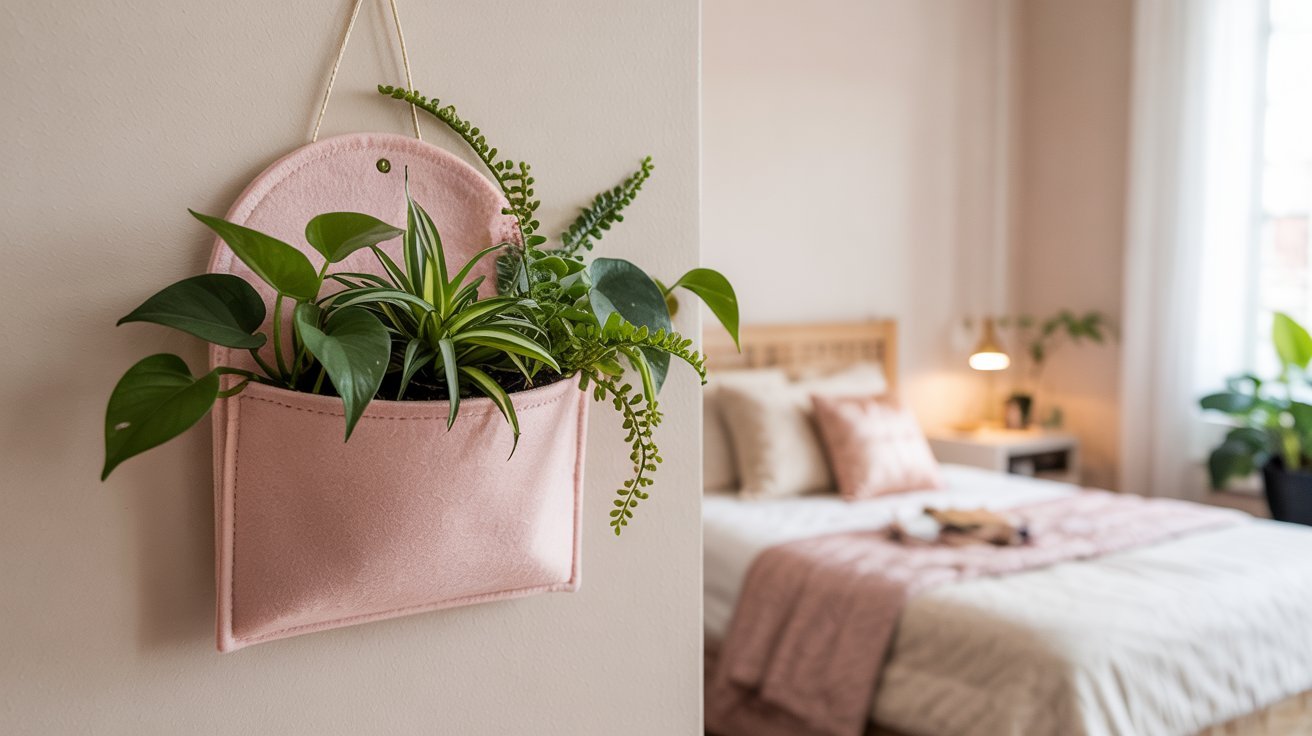
There’s something magical about waking up surrounded by lush greenery, even in the smallest of spaces. Vertical plant walls transform tiny bedrooms into refreshing sanctuaries without sacrificing precious floor space. These living tapestries not only beautify your room but also improve air quality, reduce stress, and create a deeper connection to nature right where you sleep. If your bedroom feels cramped but your plant dreams are big, these vertical gardening solutions will help you grow up instead of out.
Why Vertical Gardens Are Perfect for Tiny Bedrooms
When every square inch matters, vertical gardening offers a clever solution for plant lovers with limited bedroom space. Instead of cluttering your nightstand or windowsill with pots, you can transform bare walls into living art that breathes and grows alongside you.
Vertical gardens in bedrooms provide multiple benefits beyond just saving space:
- Natural air purification while you sleep
- Improved humidity levels for better breathing
- Stress reduction and mood enhancement
- Sound absorption for a quieter sleep environment
- A unique, personal design element that evolves over time
1. Pocket Planters (Fabric or Felt Pockets)
Why They Work in Tiny Bedrooms
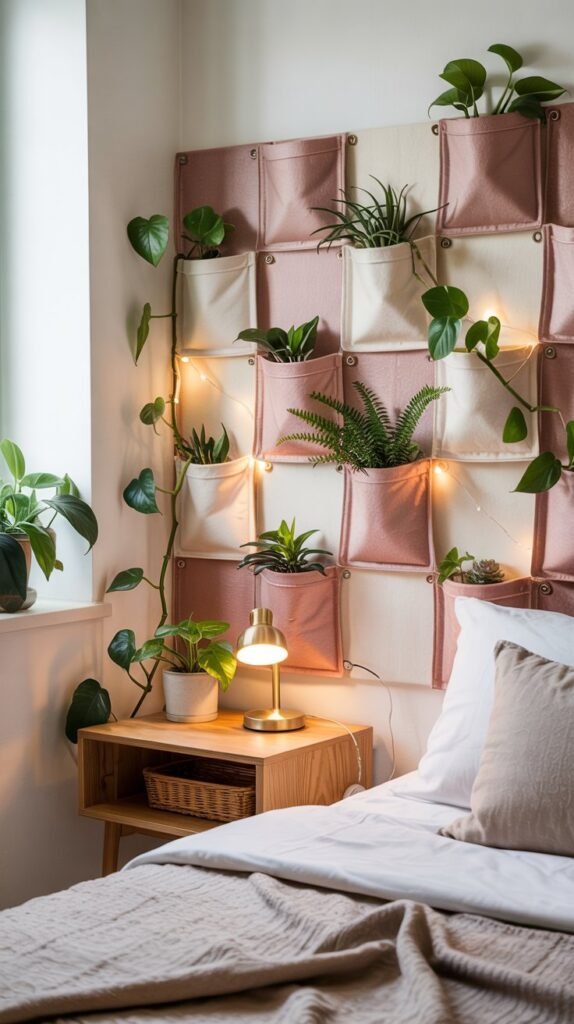
Fabric pocket planters are perhaps the most versatile vertical gardening solution for small bedrooms. These lightweight, flexible pouches attach easily to walls and can be arranged in countless patterns. Their soft texture adds warmth to bedroom spaces while their modular nature allows you to start small and expand your garden over time.
Materials Needed:
- Felt or canvas pocket planters
- Wall anchors appropriate for your wall type
- Lightweight potting mix
- Small plants with shallow root systems
- Plastic liner or waterproof backing (optional)
Best Plants for Pocket Planters:
- Pothos (Devil’s Ivy)
- Spider plants
- Small ferns
- Air plants
- Small succulents
Maintenance Tips:
Pocket planters can dry out faster than traditional pots, so check moisture levels every 2-3 days. Water carefully to avoid oversaturation, as excess moisture can damage walls. Consider placing a plastic sheet behind the planter for extra protection.
Pro Tip: To prevent water damage, take plants to the bathroom for watering and allow them to drain completely before returning them to your wall pockets.
Estimated Cost: $25-75 depending on size and quality
2. Wall-Mounted Ceramic or Metal Planters
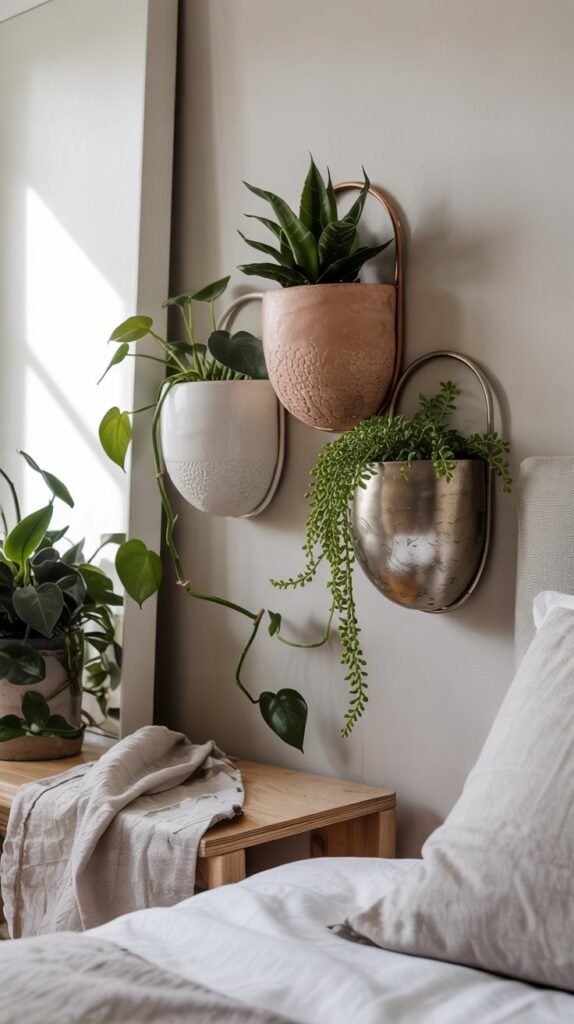
For those seeking a more polished, permanent vertical garden solution, wall-mounted ceramic or metal planters offer durability and sophisticated style. These structured containers create a more architectural look while providing better water retention than fabric options.
Implementation Guide:
- Select planters designed specifically for wall mounting
- Mark wall positions with a level to ensure straight alignment
- Install secure anchors appropriate for your wall material
- Mount planters according to manufacturer instructions
- Fill with lightweight potting mix and suitable plants
Best Plants for Wall-Mounted Planters:
- Trailing philodendrons
- String of pearls
- Compact snake plants
- Small peace lilies (for bathrooms)
- Herbs like mint or basil (near windows)
Visual Appeal:
Wall-mounted planters create a gallery-like display that can be arranged to complement your bedroom’s aesthetic. Choose containers that match your decor, sleek metals for modern spaces or textured ceramics for more organic, cozy rooms.
Estimated Cost: $40-120 depending on material and design
3. Vertical Hydroponic Planters for Low-Soil Mess
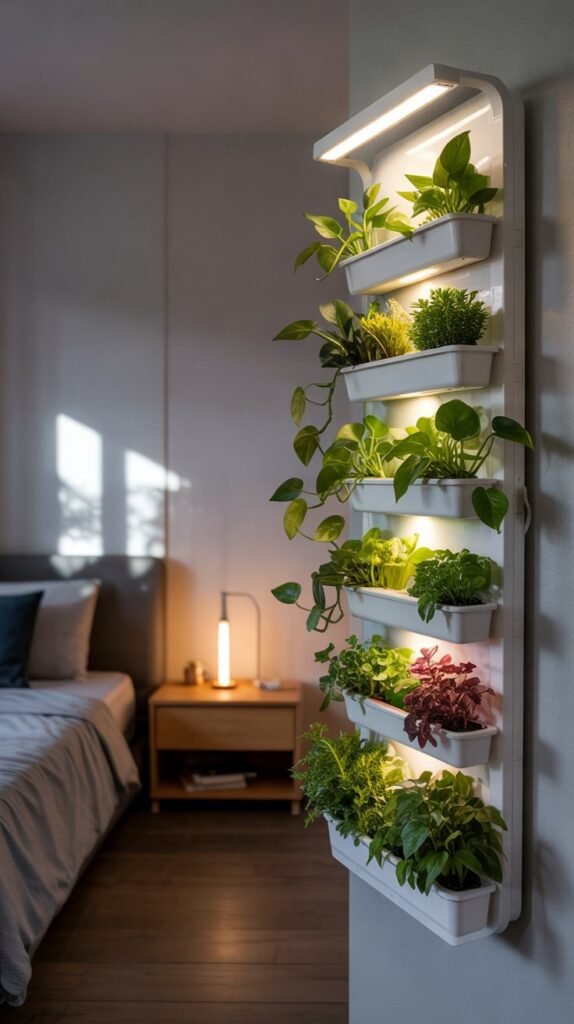
For the tech-savvy plant enthusiast concerned about soil mess in the bedroom, hydroponic vertical planters offer a clean, modern solution. These soil-free systems use nutrient-rich water to grow plants, eliminating the risk of dirt spills on your bedroom carpet or sheets.
Materials Needed:
- Hydroponic wall planter system
- Liquid plant nutrients
- Growing medium (rock wool, clay pellets, etc.)
- Small water pump (for some systems)
- Plants suitable for hydroponic growing
Maintenance Tips:
Check water levels weekly and top up as needed. Change the nutrient solution every 2-4 weeks to prevent buildup. Most systems require electricity, so position near an outlet or use battery-operated options.
Best Plants for Hydroponic Wall Gardens:
- Pothos and philodendrons
- Peace lilies
- Spider plants
- Herbs (mint, basil, oregano)
- Lettuce and other leafy greens (if you have good light)
Estimated Cost: $80-200 depending on system size and features
Light Requirements: While many hydroponic systems include grow lights, position your vertical garden where it will receive adequate natural light or supplement with full-spectrum grow lights, especially important in bedrooms with limited windows.
4. Succulent Frames (Shallow Boxed Frames)
Succulent frames transform plants into living artwork, perfect for tiny bedrooms where both wall decor and greenery are desired. These shallow display boxes allow you to create stunning patterns with low-maintenance plants that thrive in the drier conditions typical of indoor spaces.
DIY Implementation Guide:
- Select a shallow shadow box or picture frame (2-3″ deep)
- Line with plastic or waterproof material
- Add a layer of cactus/succulent soil mix
- Arrange succulents in desired pattern
- Allow to root for 2-3 weeks before hanging vertically
Best Succulents for Frames:
- Echeveria varieties
- Sedum
- Haworthia
- Crassula (Jade plants)
- Sempervivum (Hens and Chicks)
Maintenance Tips:
Succulent frames require minimal watering, once every 2-3 weeks is typically sufficient. Water by laying the frame flat and misting lightly, allowing it to dry completely before rehanging. Position in bright, indirect light for best results.
Estimated Cost: $30-100 depending on size and whether purchased pre-made or DIY
Important: Succulent frames are heavier than they appear, especially when watered. Use appropriate wall anchors and consider the weight capacity of your wall before hanging
5. Hanging Trailing Plants on a Narrow Shelf
Sometimes the simplest solutions are the most effective. A narrow floating shelf positioned high on your bedroom wall creates the perfect perch for trailing plants to cascade downward, creating a living curtain of greenery without occupying valuable surface space below.
Materials Needed:
- Narrow floating shelf (4-6″ deep)
- Wall anchors and mounting hardware
- Small to medium plant pots
- Trailing plant varieties
- Drip trays or cachepots to prevent water damage
Implementation Steps:
- Install a narrow shelf at least 12″ below your ceiling
- Place plants in decorative pots with drainage
- Arrange pots on shelf with trailing varieties at the edge
- Position drip trays under each pot
- Train vines to grow in desired directions
Best Trailing Plants for Bedroom Shelves:
- Pothos (golden, marble queen, neon)
- String of pearls or hearts
- English ivy (air-purifying benefits)
- Philodendron brasil or heartleaf
- Spider plants (produce babies that cascade)
Design Tip: For a cohesive look, choose pots in a consistent color palette that complements your bedroom decor. White, terracotta, or brass containers create different moods while maintaining visual harmony.
Estimated Cost: $40-80 for shelf and plants
6. Upcycled Shoe-Organizer Planter Wall
One of the most budget-friendly vertical garden solutions repurposes something you might already have, a hanging shoe organizer. This clever upcycling project transforms an ordinary storage item into a lush plant wall with multiple pockets for a variety of small plants.
Materials Needed:
- Fabric hanging shoe organizer (canvas works best)
- Strong over-door hooks or wall anchors
- Small plants in 2-4″ pots
- Lightweight potting mix
- Plastic liner or small plastic pots (optional)
Implementation Steps:
- Line each pocket with plastic if desired for water protection
- Fill pockets halfway with potting mix
- Insert plants, adding more soil around roots
- Hang securely from door or mounted hooks
- Water carefully, allowing drainage
Best Plants for Shoe Organizer Gardens:
- Small ferns
- Pothos cuttings
- Air plants (no soil needed)
- Small succulents
- Herbs (if near a sunny window)
Maintenance Tips:
Take the entire organizer down for watering in shower or bathtub to prevent mess. Allow to drain completely before rehanging. Rotate occasionally if light comes primarily from one direction.
Estimated Cost: $15-40 (especially economical if repurposing an existing organizer)
7. Wire Grid with Clip-On Mini Pots
For plant enthusiasts who enjoy frequently rearranging their displays, a wire grid system with clip-on pots offers ultimate flexibility. This modern, customizable approach allows you to create an ever-changing vertical garden that can evolve with your plant collection and bedroom decor.
Materials Needed:
- Wire grid panel (metal or painted wire)
- Wall mounting hardware
- S-hooks, clips, or plant pot hangers
- Small pots (2-3″ diameter)
- Variety of small plants
Implementation Guide:
- Mount wire grid securely to wall with appropriate anchors
- Attach clips, hooks, or hangers to grid
- Place plants in small pots that can be hung from attachments
- Arrange in desired pattern, leaving room for growth
- Easily rearrange as plants grow or seasons change
Best Plants for Wire Grid Gardens:
- Small succulents
- Air plants
- Miniature ferns
- Small pothos or philodendron starts
- Tiny flowering plants like African violets
Estimated Cost: $30-75 depending on grid size and pot selection
Styling Tip: Create visual interest by mixing plants with different textures, colors, and growth habits. Alternate trailing plants with more upright varieties, and consider adding small decorative elements like mini picture frames or fairy lights to personalize your display.
8. Air Plant Displays on Driftwood or Cork
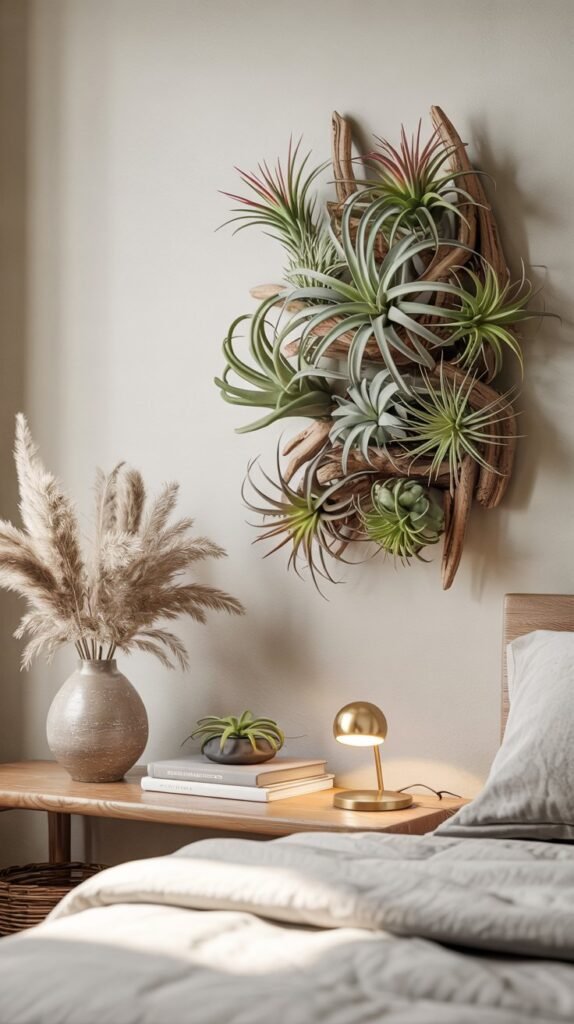
For the ultimate low-maintenance vertical garden that doubles as natural artwork, air plant displays on driftwood or cork offer an elegant solution. These soil-free plants attach directly to natural materials, creating sculptural installations that bring organic texture to bedroom walls.
Materials Needed:
- Interesting piece of driftwood, cork bark, or grapevine
- Assortment of Tillandsia (air plants)
- Fishing line or plant-safe glue
- Wall mounting hardware
- Spray bottle for misting
Implementation Steps:
- Select and prepare your natural mounting material
- Arrange air plants in an aesthetically pleasing pattern
- Secure plants with fishing line or small dabs of glue
- Mount the completed display on your wall
- Mist plants 2-3 times weekly
Best Air Plants for Bedroom Displays:
- Tillandsia ionantha (blushing bride)
- Tillandsia xerographica (large rosette type)
- Tillandsia bulbosa (bulbous base with curly leaves)
- Tillandsia caput-medusae (octopus-like appearance)
- Tillandsia harrisii (soft silver-green leaves)
Maintenance Tips:
Air plants need no soil but require proper air circulation and regular misting. Once a month, remove them from the display and soak in water for 30 minutes, then allow to dry completely (4-6 hours) before returning to the display.
Estimated Cost: $25-60 depending on driftwood size and number of air plants
Maintaining Your Bedroom Vertical Garden
Creating your vertical garden is just the beginning, proper maintenance ensures your bedroom plants thrive without creating mess or hassle. Here are essential tips for keeping your vertical garden healthy in a bedroom environment:
Watering Wisely
Bedrooms typically have lower humidity than bathrooms or kitchens, so monitoring moisture is crucial. Water early in the day to allow excess moisture to evaporate before bedtime. For wall-mounted systems, consider taking plants to the bathroom for watering to prevent wall damage.
Light Requirements
Most indoor plants suitable for vertical gardens need medium to bright indirect light. If your bedroom has limited natural light, supplement with grow lights or choose low-light tolerant species like pothos, ZZ plants, or certain ferns.
Preventing Pests
Regularly inspect your plants for common indoor pests like spider mites or mealybugs. Wipe leaves with a damp cloth monthly to remove dust and discourage pests. Keep plants away from direct contact with bedding to prevent transferring insects.
Seasonal Adjustments
Plants grow more slowly in winter, requiring less water and fertilizer. Adjust your care routine seasonally, and consider a small humidifier during dry winter months when indoor heating can stress plants.
Bedroom Plant Safety: If you have allergies or respiratory sensitivities, avoid flowering plants in the bedroom and opt for varieties known for air purification like snake plants, pothos, or peace lilies. Remove any fallen leaves promptly to prevent mold growth.
Frequently Asked Questions
Will a vertical garden make my bedroom too humid?
Most vertical gardens add only minimal humidity to a room,often a benefit in dry indoor environments. If concerned, start with fewer plants and monitor. Succulents and air plants add virtually no humidity, making them ideal for bedrooms.
How do I prevent water damage to my bedroom walls?
Always use waterproof backing behind fabric planters, remove plants for watering when possible, and use drip trays under all containers. Allow plants to drain completely before returning them to wall displays. For rental properties, consider freestanding options that don’t require wall mounting.
Are there plants I should avoid having in my bedroom?
Avoid strongly fragrant flowering plants like jasmine or gardenia, which can disrupt sleep. Some people prefer to avoid plants with latex sap (like certain ficus varieties) if they have latex allergies. Otherwise, most common houseplants are perfectly safe for bedroom environments.
How much weight can my bedroom wall support for a vertical garden?
This depends on your wall construction. Drywall with proper anchors typically supports 50-75 pounds distributed across multiple anchor points. For heavier installations, locate wall studs for mounting. When in doubt, consult with a professional, especially in rental properties.
Transform Your Tiny Bedroom with Vertical Greenery
Creating a vertical plant wall in your tiny bedroom doesn’t require extensive space or gardening expertise, just a bit of creativity and the right approach for your specific environment. Whether you choose the simplicity of a trailing plant shelf, the flexibility of a wire grid system, or the artistic appeal of an air plant display, your walls can become living, breathing elements that transform your sleeping space.
Start small with just one or two plants, then expand your vertical garden as your confidence grows. The joy of waking up surrounded by thriving greenery is well worth the minimal effort these space-saving solutions require. Your tiny bedroom can become a refreshing sanctuary where nature and rest harmoniously coexist.
